Dangers of Using Hydroquinone to Fade Scars and Hyperpigmentation

Dangers of Using Hydroquinone to Fade Scars and Hyperpigmentation

Hydroquinone has made quite a name for itself around the world in skin lightening creams and scar treatment products. What many people may not realize is that hydroquinone is a harsh chemical that exposes you to many dangers.

Hydroquinone is a chemical that inhibits melanin, which is what gives your skin its color. Areas of the skin that have become darker than the surrounding skin – from sun exposure, freckles, acne, or melasma, for example – are often treated with products containing hydroquinone by well-intentioned and hopeful people. Unfortunately, hydroquinone is associated with many health risks, and many people end up disappointed with its results, or worse.

Toxicity
One major problem is that hydroquinone is known to be quite toxic in high concentrations. It is believed by experts to have carcinogenic properties, and it is known to contain mercury, which can cause liver damage as well as other health problems. Other side effects of hydroquinone can include nausea, ringing of the ears, cyanosis, and seizures.

Ochronosis
Ochronosis, a disfiguring skin condition characterized by thickening and discoloration, is believed to be caused by hydroquinone use in some cases, and the chemical has also been implicated in cases of increased pigmentation. That means that using hydroquinone could very well yield the opposite of the effect you are hoping for – darkening and worsening of your scar or dark spot rather than lightening and fading. The highest risk of ochronosis is found in people with darker skin tones.

Photosensitivity
Hydroquinone can also cause increased photosensitivity, meaning that it can make your skin more sensitive to sunlight. Using hydroquinone on skin that is already sunburned or otherwise irritated can worsen the condition; also, prolonged sun exposure while using hydroquinone can result in severe sunburn. Besides the pain and health risks associated with sunburn, it can also worsen the appearance of scars, sometimes permanently.

Allergic Reactions
Many people who use hydroquinone also have allergic reactions to the chemical. Severe burning, stinging, tingling sensations, hives, trouble with breathing, and throat and mouth swelling have all been reported by hydroquinone users. The appearance of any of these symptoms when using hydroquinone should be considered a medical emergency and evaluated by a doctor at once.

Some countries have banned hydroquinone altogether, citing worries over its safety. Even in the United States, where it is currently legal at limited concentrations, the FDA admits that it cannot be ruled out as a carcinogen and is considering a ban on hydroquinone in over-the-counter preparations because of the safety concerns. Because of all of the health risks of using hydroquinone, in addition to the fact that it may actually worsen, rather than improve, your skin condition, hydroquinone is not recommended for use on scars or dark spots. Instead, choose products containing ingredients that are known to be both safe and effective, such as dimethicone silicone to improve the appearance of your scar, and licorice extract and Vitamin C to fade the dark coloring. Also incorporate healthy and natural lifestyle changes that help your skin heal and your scars fade, such as eating a healthy diet, and getting plenty of exercise and sleep.

Do you have a question about your scars? Leave a comment and we’ll be happy to help.

Subscribe to Scars and Spots to get our posts delivered directly to your inbox!

Share and Enjoy

  • Facebook
  • Twitter
  • Delicious
  • LinkedIn
  • StumbleUpon
  • Add to favorites
  • Email
  • RSS
How to Get Rid of Tummy Tuck Scars

How to Get Rid of Tummy Tuck Scars

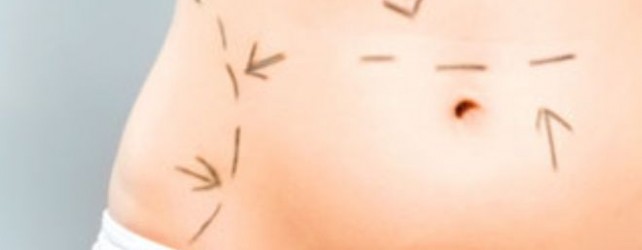
A tummy tuck is a highly effective procedure for improving the contour of your abdomen and achieving an attractive midsection. During a tummy tuck, excess fat and skin are removed, stomach muscles are tightened up, and the whole abdominal area is smoothed and slimmed. However, most surgical procedures do leave scars, and scarring after a full tummy tuck scar can be quite extensive, running the length of your bikini line – often all the way from one hip to the other. A “mini tummy tuck” leaves a much smaller scar, but unfortunately not all women are candidates. If you are unhappy enough with the appearance of your tummy to seek a tummy tuck, then the scar left behind, which is easy to hide, will probably be a trade-off you will be happy to make. However, that doesn’t mean you won’t want to do everything you can to minimize the scar’s appearance.

One of the most important ways to minimize the appearance of your scar starts before your surgery ever takes place. You should stop smoking for several weeks before your surgery (most doctors advise at least 4-6 weeks), and refrain from smoking for at least 6 weeks after the procedure to maximize oxygen flow to the area and encourage healthy healing. Another way you can help prevent excessive scarring is by avoiding infection after your surgery. Infection will most likely worsen the final appearance of your scars, so keep the incision scrupulously clean and follow all of your doctor’s instructions for aftercare.

Once your scar begins to heal, there are some things you can do to promote the thinning, fading, and softening of the scar. A gel product containing silicone can help, as silicone has known scar-healing effects. For best results these products should be used regularly. The earlier you start using these products (once cleared by your doc), the better the results are likely to be – but even if you do not start using silicone early on in the recovery process, it can still have a remarkable effect on your scar, especially if it starts to become more firm or raised over time.

You can also choose a silicone gel that contains other ingredients known to improve the look of scars. Vitamin C and licorice, for example, have been shown to be helpful in fading dark scars. You can apply some of these ingredients topically in a scar treatment, and you can also consume certain “scar helper” nutrients in your diet, like vitamin C, vitamin A, zinc, and protein.

A healthy diet will go a long way towards helping heal your scar more quickly, too. Look for foods with high concentrations of vitamins A and C, zinc, and protein. Citrus fruits, strawberries, broccoli, and peppers are all high in vitamin C; you can look for vitamin A in produce such as sweet potatoes, carrots, and cantaloupe. Zinc can help your skin heal and may help prevent bacterial infection; you can find it in seafood, spinach, nuts, and beans. You probably know to look to meats for protein, but you can also find this helpful ingredient in eggs, beans, tofu, and dairy products like cheese and milk.

Realize that your tummy tuck scar will never completely disappear, but that taking steps to minimize its appearance can make a huge difference in rendering it far less noticeable, thereby maximizing the beautiful result you wanted from your tummy tuck to begin with.

Subscribe to Scars and Spots to get our posts delivered directly to your inbox!

Share and Enjoy

  • Facebook
  • Twitter
  • Delicious
  • LinkedIn
  • StumbleUpon
  • Add to favorites
  • Email
  • RSS
Best Way to Get Rid of Mastectomy Scars

Best Way to Get Rid of Mastectomy Scars

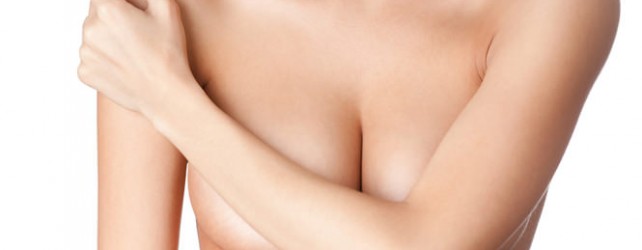
Mastectomy scars can, unfortunately, be quite extensive. If breast reconstruction is not performed at the same time as the mastectomy, the resulting scars can be quite long, running from next to the breastbone to the armpit area. Along with restoring the size and shape of the breast, reconstruction also helps limits scarring when performed at the same time as the mastectomy. However, reconstruction can result in at least one additional scar, as tissue is often taken from the woman’s abdomen or another area of her body to recreate the breast. This results in scarring at the site of the tissue harvest.

Scars are not only a cosmetic concern. Some scars can cause pain, tightness, or itching. You will want to do everything you can to minimize the scarring caused by your mastectomy to enhance the way you look and feel.

One of the most important things you can do to minimize scarring is to prevent infection in the post-surgery period. Patients are often sent home from surgery with drains at the incision sites to remove excess fluids from the area. These drains are usually removed a few days later. Once this happens, you should keep the incision as clean as you can so that it can continue to heal fully. Follow your doctor’s instructions for bandage changing and cleaning the area. Infection will worsen your scarring, so avoiding it is an important first step in limiting scarring.

Massaging the area during the first year can help by breaking down scar tissue and improving blood flow. This helps soften the scar and also brings more oxygen and nutrients to the wound which can promote healing and reduce scarring. Be sure to get the “all-clear” from your doc before starting scar massage to ensure your incisions are ready.

It is also important to eat a healthy diet and drink plenty of fluids – mostly water – while your mastectomy scars are healing. This will help in several ways. First, the water will keep you hydrated, which means more moisture in your skin and at the site of the scars. Skin moisture improves healing. Some of the nutrients in what you eat can also work to lessen the appearance of your healed scars. Ingredients known to be helpful include the vitamins A and C, zinc, and protein. Finally, a healthy diet and proper hydration will promote overall health, helping you feel better faster after surgery.

Feeling better means you may feel more like exercising, and exercising is another way you can promote healing and effectively treat your mastectomy scars. Aerobic exercise also increases blood flow and improves healing. After a mastectomy, you may not feel like doing much at first. Even if you can only walk for a few minutes, that’s fine. Slowly build back up to a level of exercise that you and your doctor are comfortable with. The exercise will help your scar healing along by improving your circulation.

Also try a silicone-containing gel. Silicone has been shown to reduce the appearance of scars, making them lighter, flatter, and softer. Follow the instructions that come with the product you choose. Stick with the recommended frequency and duration of treatment for the best results.

Subscribe to Scars and Spots to get our posts delivered directly to your inbox!
Share and Enjoy

  • Facebook
  • Twitter
  • Delicious
  • LinkedIn
  • StumbleUpon
  • Add to favorites
  • Email
  • RSS
How to Minimize Plastic Surgery Scars

How to Minimize Plastic Surgery Scars

The decision to have plastic surgery is a major and personal one. Patients can often achieve an improved appearance through plastic surgery, which makes it tremendously popular, and most patients are thrilled with their results. However, post-surgery scarring is one of the downfalls – and anytime an incision is made to the skin, there will be a scar. The risk of severe scarring is enough to make some patients rethink their decision to have plastic surgery at all, but scarring can be minimized by optimal placement and proper aftercare.

Choose Your Surgeon Carefully
The surgical technique used has a major impact on what kind of scarring you can expect. Choose an experienced surgeon and discuss the types of incisions and suturing he or she uses, as well as what kind of scarring you can expect.

Don’t Smoke
Smoking affects scar healing in several ways. First of all, it increases your chances of having complications such as infection, which delays wound healing and exacerbates scarring. Smoking also affects the oxygenation of your tissues by causing your blood vessels to constrict. This allows less oxygen to get to the wound, which impedes healing. The increased carbon monoxide in your bloodstream is another way smoking decreases the amount of oxygen in your blood. Finally, smoking depletes Vitamin C faster, and Vitamin C is important in collagen formation and immune system function, as well as being a powerful antioxidant.

Try Silicone Scar Treatments
Silicone sheeting and topical gels work to improve the appearance of scars by reducing the color and height of the scar and softening its texture. Silicone increases hydration in the area, regulates growth factors such as collagen production, and reduces the discomfort and itching sometimes caused by scars.

Use Aloe Vera
Aloe Vera has been shown to promote wound healing and inhibit inflammation. Aloe Vera can be used on healing wounds (not open wounds) to reduce scar formation with its glycoproteins, which stop inflammation and pain, and its polysaccharides, which encourage skin growth and repair. You can either apply Aloe Vera straight from the plant or you can use an ointment or gel containing it as an ingredient.

Avoid Ingredients Not Shown to Be Helpful
Vitamin E, though a popular anti-aging ingredient, has been shown to be at best ineffective and at worst harmful to scars, having a worsening effect rather than the opposite. In fact, 1 in 3 people are allergic to Vitamin E and develop contact dermatitis. Oftentimes people believe that Vitamin E has helped with their scar healing, however it is only the moisturizing effect that has made a difference.

Other ingredients, such as Aloe Vera, licorice, and silicone, are known to have a much greater positive effect on scar healing. You should also avoid any products containing artificial ingredients like preservatives, parabens, and fragrances. These products increase the risk of allergic reaction or irritation, for starters. Hydroquinone and kojic acid are other ingredients that are harmful and should be avoided.

Subscribe to Scars and Spots to get our posts delivered directly to your inbox!
Share and Enjoy

  • Facebook
  • Twitter
  • Delicious
  • LinkedIn
  • StumbleUpon
  • Add to favorites
  • Email
  • RSS
Breast Reconstruction Questions and Answers

Breast Reconstruction Questions and Answers

Oftentimes, women don’t realize (or aren’t told by their doctor) that breast reconstruction is available to them after mastectomy. The inventor, and doctor, behind InviCible Scars is Dr. Minas Chrysopoulo, who specializes in state-of-the-art breast reconstruction and cosmetic surgery at PRMA Center for Advanced Breast Reconstruction in San Antonio, Texas.

“Dr. C” was named one of “America’s Top Surgeons” and was also a recipient of the San Antonio Business Journal’s “Top 40 Under Forty” Award (2007). Dr C is certified by the American Board of Plastic Surgery, and is also an active member in the American Society of Plastic Surgeons (ASPS), the American Society for Reconstructive Microsurgery, the Plastic Surgery Education Foundation, the San Antonio International Society of Plastic and Reconstructive Surgery, and the Texas Medical Society.

He answered some questions regarding breast reconstruction that we hope you find helpful:

1. What is the most common reason you see women in your practice for breast reconstruction?

- Women recently diagnosed with breast cancer and facing mastectomy

- Women at high risk of breast cancer (eg BRCA+, strong family history) and considering prophylactic mastectomy

- Women that have already completed their breast cancer treatment including lumpectomy or mastectomy, who are now seeking reconstruction or improved breast symmetry.

2. What are some options for breast reconstruction if the patient has had a mastectomy?

There are various options that fall under 2 main types of procedures: those that use the patient’s own tissue to recreate a “natural” breast, or breast implants.

3. Can women expect that their new breasts will look, feel and have the same sensations as before?

That really does depend on the individual situation. If the reconstruction is performed at the same time as the mastectomy, the results can be very good indeed: excellent cosmetic results (some women feel “even better than before” in terms of appearance), and very natural. Reconstructions using the patient’s own tissue tend to create much more natural results than breast implants. Breast implants can also provide very nice results in good candidates.

Delayed reconstruction (reconstruction performed some time after the mastectomy) can also provide very good results, but generally not as good in terms of the final cosmetic result because it usually leaves more scarring.

Unfortunately, it is rare for women to maintain the same level of feeling in their breasts after reconstruction. It is possible for some patients to maintain or regain some feeling but it is typically nowhere near what Mother Nature provided. Some patients are candidates for sensory nerve reconstruction in conjunction with DIEP flap or SIEA flap reconstruction. This reconnects nerves that supply feeling to the breast and allows for improved long term sensation in the reconstructed breast. However, even if this nerve reconstruction is successful, it’s rare for women to regain the sensation they had before the mastectomy.

4. Are there risks associated with breast reconstruction?

Yes, but thankfully complications are uncommon. Unfortunately all surgery has risks. The main risk is that the reconstruction doesn’t work which can lead to more surgery.

5. Will there be extensive scarring?

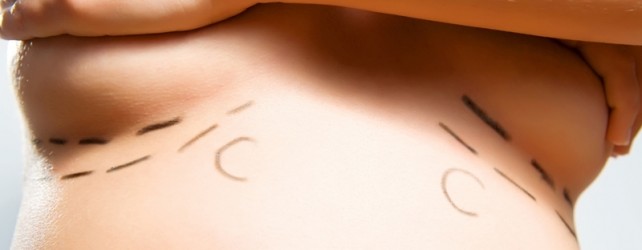
This depends on the procedure the patient chooses. Most procedures that involve using the patient’s own tissue involve scarring on a part of the body other than the breasts (i.e. where the tissue came from.) For example the DIEP flap, today’s gold standard in breast reconstruction, uses the patient’s own abdominal skin and fat to reconstruct a natural, warm, soft breast. The excess lower tummy skin and fat are removed similar to a “tummy tuck”. This provides the patient with the added benefit of a tummy tuck, but also creates additional scarring over the lower abdomen.

These breast reconstruction before and after pictures show the typical scars associated with the procedures performed at PRMA.

Do you have further questions about breast reconstruction that weren’t answered in this post? Leave a comment and Dr. Chrysopoulo will be happy to answer them.

Subscribe to Scars and Spots to get our posts delivered directly to your inbox!
Share and Enjoy

  • Facebook
  • Twitter
  • Delicious
  • LinkedIn
  • StumbleUpon
  • Add to favorites
  • Email
  • RSS

© 2013-2015 All Rights Reserved -- Copyright notice by Blog Copyright