What Affects Wound Healing?

What Affects Wound Healing?

Wound healing is a natural biological process in the human body. For a wound to heal completely, several different stages of healing must take place. Under ideal circumstances, this happens relatively quickly and without complications. There are, however, several factors that can affect how well a wound heals and the appearance of the scar that will form.

Oxygenation
Oxygen is critically important in all wound-healing processes. It helps prevent infection and promotes several different healing processes. When circulation is poor and the wound does not receive sufficient oxygen, healing is greatly impaired. Proper oxygen levels can be maintained by exercising regularly and not smoking. See your doctor for any wound that is not healing properly to discuss options for more intensive oxygen therapies or other measures that may help.

Infection
Your skin keeps many organisms from entering your body, but when the skin is injured, those organisms are granted access to the underlying tissues. Even a minor infection can cause a wound to take longer to heal and affect the final appearance of the scar; an invasive infection can produce prolonged inflammation which, in extreme cases, cause the wound to enter a chronic state and fail to heal. For these reasons, it is extremely important to follow your doctor’s instructions closely after surgery or otherwise keep a wound clean and free of infection.

Age
Age is a major factor in wound healing – specifically, advanced age is a risk factor for delayed healing. Older people commonly notice that their wounds take longer to heal, but delayed wound healing is not the same as impaired wound healing or complications with wound healing. Older individuals may have delayed collagen-producing responses and other wound healing processes may also be slower. Exercise is one factor that can improve an older adult’s wound healing; this may be due to anti-inflammatory responses in the wound. Being aware of potential problems and taking proactive steps like exercising, eating well, and keeping a wound clean can improve the odds of a wound healing quickly and normally.

Read: Do Scars Grow with Age?

Stress
It has long been known that psychological stress can have a physical impact. One way in which stress can impact a person physically is by causing a delay in wound healing. Sometimes stress can take the form of a negative emotional state such as anxiety or depression, which can also affect physiological processes like wound healing – or behavioral patterns that can affect wound healing. For example, if a person is depressed, they may be more likely to neglect proper wound care, or if a person is anxious they may be more likely to smoke. Stress can also affect things like sleep patterns and diet, factors that also play important roles in wound healing.

These are just a few of the factors that affect wound healing; others include nutrition, whether a person smokes, diabetes, and exposure to UV rays, among others. Being informed and following healthy guidelines for proper healing can give you the best possible outcome when it comes to the healing of your wound and any lasting scarring.

Subscribe to Scars and Spots to get our posts delivered directly to your inbox!

Share and Enjoy

  • Facebook
  • Twitter
  • Delicious
  • LinkedIn
  • StumbleUpon
  • Add to favorites
  • Email
  • RSS
Fall Fitness Workouts for Better Scar Healing

Fall Fitness Workouts for Better Scar Healing

When it comes to dealing with the healing of scar tissue, exercise can be an invaluable tool to help in the process. With fall just around the corner and kids back in school, it is a great time to take up an exercise routine that can be healthy for your body, as well as to help with healing scars.

Zumba

Zumba is a high impact workout that combines a variety of dance styles into an aerobic, hard-hitting workout. This is an activity that is often done indoors at a local health club and allows for people to get a workout in no matter what time of year.

With such a high intensity workout, your heart rate is going to increase, causing more oxygen to flow through the bloodstream. This provides the scar tissue with the elements it needs to repair itself while the increase in blood flow removes any debris and byproduct from the healing process away, keeping the scar site clean.

Outdoor Running

Fall is a beautiful time to be outdoors. With the weather changing, the temperatures are pleasant and the colors are breathtaking as the leaves begin to change. For people that enjoy being outdoors, running is a great exercise for healing scars. Much like Zumba, it is a high impact workout that will increase breathing rates as well as increase blood flow in the body.

Another reason that running is such a great exercise is because when people’s heart rates increase their bodies produce less Cortisol, or what is commonly known as the “stress hormone.” People with lower stress hormone levels have shown to have better healing rates than those that have higher Cortisol levels.

Yoga

Stretching and massage are two of the most helpful things you can do for your body to promote scar healing. Yoga is a practice that incorporates flexibility, breathing, meditation, and balance to help center the body and mind at the same time. It is a calming practice that also will help to heal scar tissue.

Any time the scar tissue can be moved, stretched, rubbed, and warmed, it breaks down the hard tissues that cause the scar to be rigid or raised. Yoga is a great option for many people, especially post-surgery, because it is not a high intensity workout and can easily be tailored to fit the limitations of any individual. By incorporating yoga into a regular fitness routine, you are allowing the skin fibers to stretch and become more pliable with each session. Over time, the scar will become less hard and noticeably less visible.

Exercise can be a great way to help improve the look of scars. Incorporating a regular workout routine is going to strengthen the immune system and promote hydration. When our bodies work hard, we require more water, as well. Having a stronger immune system will allow the body to heal properly and reduce the appearance of scars. Just remember that it is always recommended that you contact a doctor prior to beginning any exercise regimen.

What is your favorite Fall fitness workout?

Subscribe to Scars and Spots to get our posts delivered directly to your inbox!

photo credit: Ian Sane via photopin cc

Share and Enjoy

  • Facebook
  • Twitter
  • Delicious
  • LinkedIn
  • StumbleUpon
  • Add to favorites
  • Email
  • RSS
Why Does My Scar Look Bumpy?

Why Does My Scar Look Bumpy?

Scars that are three dimensional can be even more upsetting than the ones that lie flat on the skin. No one wants unsightly bumps and imperfections. However, it is important to know about your bumpy scars so that you can get the right kind of treatment for them. Raised scars are called hypertrophic scars; they are caused by an excess growth of collagen over the injured area. Collagen is a natural protein that occurs around elastic tissue, like skin, but when too much of it grows—especially when it grows in different directions—it can cause an unsightly scar.

Hypertrophic scars are particularly common on areas of the skin that are tightest—and in the places that people want them least! This said, choose a product that has a stable form of vitamin C and essential fatty acids (like safflower seed oil) to encourage growth of healthy collagen during scar healing and improve the elasticity of your skin. Offering your skin the nutrients it needs to heal will mean that your scars will be less bumpy as they finish healing.

Surgical wounds are a huge cause of hypertrophic scars because the wound is deep and the healing process is very slow. Knowing this, you should prepare to help the skin heal as soon as possible. The earlier that you can start treating a scar, the better your outcome will be. Again, you will want to use gels with vitamin C and fatty acids to aid your skin, but silicone gels and silicone sheeting are also great tools for healing and shrinking scars. However, be sure that you buy silicone products that are safe and healthy for your body’s recovery. Dimethicone silicone is a tested and proven route.

Above all, speak with a health representative about the healthiest and most effective ways to decrease and prevent raised scars. Once you have found the product best suited for your scar, just continue to apply it as directed and remember to have patience as your scar heals. Stress is not good for skin!

Have you noticed your scar looking bumpy in appearance?

Subscribe to Scars and Spots to get our posts delivered directly to your inbox!

Share and Enjoy

  • Facebook
  • Twitter
  • Delicious
  • LinkedIn
  • StumbleUpon
  • Add to favorites
  • Email
  • RSS
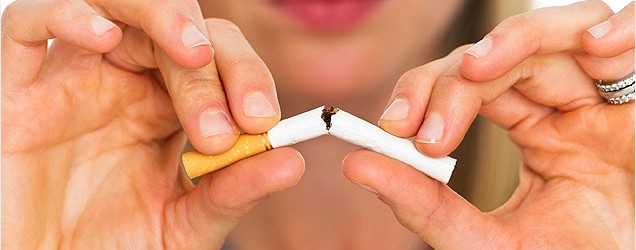
How Does Smoking Affect Scar Healing?

How Does Smoking Affect Scar Healing?

Did you know that smoking affects scar healing in six different ways?

6 Ways Smoking Affects Scars

Here’s a list of each of the ways smoking affects your scar healing.

1. More Complications During Healing

Smoking is linked with skin healing complications. That’s why plastic surgeons always recommend that their patients give up smoking about a month before plastic surgery. They want the best outcome for their patients.

One healing complication from smoking is infections. Scars are part of the healing process after cuts or wounds occur, and need to mature for the completion of the healing. This takes several months to occur. If infections arise is wounds or in scars, this may worsen scars.

One study found that complications in the healing of scars from breast surgery occurred in 4 out of every10 smokers, compared to 1.2 out of 10 non-smokers.

2. ‘Paralyzes’ White Blood Cells

Smoking inhibits the movement of macrophages into the scar. Macrophages are the cells of the immune system that engulf microbes that can cause infections. If they can’t move, they can’t do their work.

3. Less Oxygen in the Scar

The nicotine in cigarettes impairs oxygenation of the tissues, which can interfere with scar healing. This happens because nicotine causes the blood vessels to constrict. The constriction makes the blood vessels smaller in diameter, and they bring less oxygen.

4. Easier to Get Infections

Without less oxygen in the scar area and less macrophage movement toward the scar, the immune system cells can’t fight against microbes and it’s easier to get infections.

5. Smoking Uses Up Vitamin C

Vitamin C is essential for scars to heal. The body’s need for vitamin C increases when there is trauma or surgery; studies have shown that levels fall quickly during these times. Vitamin C assists in the formation of new collagen, boosts immune system functions contributing to resistance against infections, and acts as an antioxidant.

Smoking adds another risk that vitamin C levels will be low. Free radicals created during smoking use up this nutrient quickly.

6. More Carbon Monoxide in Your Bloodstream

Smoking increases the amount of carbon monoxide in the bloodstream, which is another way of decreasing oxygen flow in the arteries. This results in less oxygen to the scar and means it will take longer to heal. The carbon monoxide also tends to gray your skin tone.

Subscribe to Scars and Spots to get our posts delivered directly to your inbox!
Share and Enjoy

  • Facebook
  • Twitter
  • Delicious
  • LinkedIn
  • StumbleUpon
  • Add to favorites
  • Email
  • RSS
C-Section Scar Treatment

C-Section Scar Treatment

Now that your baby is born, you may be looking down at your C-section scar, wondering what you’re going to do about it. Let’s formulate a two-phase plan for your C-section scar treatment.

Phase 1 for Your C-Section Scar Treatment

During the first six weeks, there are three things that will help tremendously.

1. First, don’t panic or worry. The initial wound and scar may look bad to you right now but all scars heal with time. How your scar looks now is not how it will look six months from now. Remember that you do have some control over the scar healing process.

2. Focus your attention on observing the wound, keeping it clean and addressing any signs of infection that may occur. Watch for a sensation of heat on the wound, any swelling, redness, or pus oozing from the wound. If any of these appear, see your doctor immediately. Preventing an infection is one of the best steps you can take to make your scar look good in the long run.

3. Avoid stretching the scar. Even gentle yoga stretches will be too much stress for your new scar to handle. The stretching will potentially tear the new collagen fibers that are forming to hold together the scar. It could end up widening the scar.

These first six weeks are the time when the new collagen fibers must be built. Once your doctor tells you the scar has healed enough, you can move to Phase 2.

Phase 2 for Your C-Section Scar Treatment

During this phase, the primary methods you’ll use to control healing are massage and topical ointments.

1. Massage breaks up any adhesions to organs or the fascia underneath that may form from the surgery. These adhesions may cause lower back pain or pelvic pain. If adhesions form around the bladder, they can cause frequency of urination.

If the scar is red and tender, use gently massage strokes around the scar but not on top of it. Once it has healed more and is not red and tender, you may begin more intensive massage. To do this, press into the scar from different directions. Locate the area where the movement feels restrictive. The restrictions are adhesions.

As you gently stretch and move the tissue with rolling movements or stroking movements in all directions, you’ll feel the tissue make gains in overcoming the restrictions.

2. When you massage the C-section scar, the best type of massage lotion to use could also be one that’s scientifically formulated to heal the scar. You can begin using a topical scar treatment once the sutures or staples are removed. The four most important ingredients to get rid of scars are vitamin C, aloe vera, silicone, and licorice. Each of these will assist is accelerating skin renewal in various ways.

Subscribe to Scars and Spots to get our posts delivered directly to your inbox!

Have you purchased InviCible Scars risk-free yet?

Share and Enjoy

  • Facebook
  • Twitter
  • Delicious
  • LinkedIn
  • StumbleUpon
  • Add to favorites
  • Email
  • RSS

© 2013-2015 All Rights Reserved -- Copyright notice by Blog Copyright