
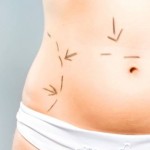
Liposuction is one of the most popular cosmetic surgery procedures worldwide. Also known as body sculpting or body contouring, liposuction can dramatically change your body’s appearance by targeting specific areas where excess fat is a problem, such as arms, thighs, abdomen, or even the neck. Many people are thrilled with their liposuction results, but as a surgical procedure, it does require making small incisions in the skin, and scars are the inevitable result.
The location of your liposuction scars will depend on your surgeon’s preferences and skill, and sometimes can be hidden in the belly button or below the bikini line. Other scars will be more visible, depending on what areas of your body you have treated. Wherever your scars are, chances are you want to minimize them as much as possible.
About Liposuction Scars
The incisions and the suctioning device leave behind at least a couple of scars per area treated, more if multiple areas are treated or if for some reason additional incisions are required.
The size of the scars depend on various factors, such as the skill and experience of the surgeon and the surgical technique used. Your own genetics play a big role in how visible or dark the scars will be. Those with darker skin may end up with more visible scars, as dark skin is more prone to keloid scars, in addition to the fact that discoloration around the incision may be more noticeable.
What You Can Do
It is vital to keep the incision sites clean and follow your doctor’s instructions for avoiding infection during the healing period. Besides being painful, infection of the incision can lead to a worse final scar. The compression garments that your doctor will instruct you to wear also work to minimize scarring by reducing inflammation.
Smoking can have a direct impact on the appearance of scars and should be avoided before surgery and during healing. Keeping the scars out of the sun, getting regular exercise once your doctor says it is okay, and eating a healthy balanced diet can all work to help your scars heal and fade. Massage can also help scars heal. These actions all work to ensure the healing site receives plenty of oxygen and moisture. Finally, once the wounds are healed, you can begin using a scar healing product that contains silicone as well as natural ingredients like vitamin C and licorice extract (to fade discoloration) and aloe vera (to moisturize.)
Read: How Does Smoking Affect Scar Healing?
Read: How Does the Sun Affect Scars?
Occasionally a healed liposuction scar may require further treatment, such as scar revision. But usually, liposuction scars are small, not overly visible, and with the help of a silicone-based product, can eventually become nearly invisible. Most people who have liposuction consider the results well worth the simple scar healing regimen they need to implement afterward.
Have a question about your scar? Leave a comment and we’ll be happy to answer.
Subscribe to Scars and Spots to get our posts delivered directly to your inbox!
The information on this site is provided as an information resource only, and is not to be used or relied on for any diagnostic or treatment purposes. Please speak to your doctor to treat any medical condition. Information on this site is not intended to be patient education, does not create any patient-physician relationship, and should not be used as a substitute for professional diagnosis and treatment.


Speak Your Mind