Acne Scar Consultation – What to Expect

Acne Scar Consultation - What to Expect

Many people who have acne are embarrassed by it, and feel as though it interferes with their social lives. When you have acne, the last thing you want is a permanent reminder of it with the scars that are left behind. Fortunately there are ways to treat acne scars that can give you a much clearer complexion. The first step to any treatment begins with an acne scar consultation. If you have never had one before, you may be wondering what to expect.

Starts With a Discussion

Typically, the initial consultation will be with your dermatologist, although you might start discussing scar treatment with your general practitioner. The consultation begins with a discussion about your acne and the residual scars. Your doctor will ask questions to learn your goals, as well as your history with acne, and previous acne treatment. Before your appointment, compile a list of the medications, skin products or other treatments you have used for both your acne and the scarring, as this will help your doctor plan further treatment. Do not be shy about your feelings about your acne scars, and be honest about what you have tried. The more information your doctor has, the better he or she will be able to help you. You will also need to answer questions about your general health.

Examination

The next step in the consultation will be a skin examination. Your doctor will look closely at the acne scars and any active acne lesions you may have to better understand your specific condition. The doctor may also take pictures that can help with monitoring the efficacy of treatment.

Discussing Treatment Options

Next, your doctor will talk with you about the available treatment options. If you still have acne, your doctor will work on treating the acne before starting scar treatment. Depending on the extent and type of scarring, the treatment may include a cream, microdermabrasion, dermabrasion, collagen-induction therapy, fillers, skin resurfacing using laser therapy, chemical peeling, or injections with corticosteroids or other medications. Your doctor will talk with you about the options best suited to your situation.

When you discuss treatment options, be sure to ask questions so that you feel comfortable with the plan. Some important questions include: how long does the treatment take, is there any pain involved in the treatment, will there be a period of healing time after the treatment, how long will it take to see results, will the treatment even out the skin tone, and what is the cost of the treatment? Most importantly, be sure to get all your questions answered!

You have many options for acne scar treatment. Seek professional help to find the best option for you.

Have a question about your scar? Leave a comment and we’ll be happy to answer!

Subscribe to Scars and Spots to get our posts delivered directly to your inbox!

The information on this site is provided as an information resource only, and is not to be used or relied on for any diagnostic or treatment purposes. Please speak to your doctor to treat any medical condition. Information on this site is not intended to be patient education, does not create any patient-physician relationship, and should not be used as a substitute for professional diagnosis and treatment.
How to Get Rid of Back Acne Scars

How to Get Rid of Back Acne Scars

Although back acne scars are easier to hide than those on the face, it is still a frustrating and embarrassing problem for both men and women. You may feel you always have to wear a T-shirt, or you cannot wear bathing suits, anything backless or sleeveless, or other clothes that will expose your back. However, there is hope. You can get rid of your back acne scars so that they no longer determine what you pull out of your wardrobe.

Take Care of your Skin

The first step in reducing back acne scars is to reduce the potential for scarring. If you have back acne, you should treat it properly so that there is less chance it creates scars. Rather than picking acne lesions, use acne treatment creams to address the problem. Acne is caused by bacteria and clogged pores, hormonal imbalance, food allergies, or other medical conditions. Be sure to keep your back clean and use a treatment recommended by your doctor to reduce acne. Additionally, address any underlying conditions that can trigger acne. Once you have your acne under control, then you can work on treating the scars.

Read: What are the different types of acne scars?

You also want to take care of your skin in general to promote its natural healing, which reduces the risk of scarring. Always wear sunscreen, don’t smoke, drink plenty of water, exercise, get plenty of rest and eat healthily. A healthy diet will provide the natural nutrients your skin needs to heal, and it will also help to decrease your acne as well.

Treatment Options for Back Acne Scars

There are a few treatment options for back acne scars. For very bad scarring, your doctor may recommend microdermabrasion, laser, dermabrasion or even scar revision surgery. Start with the least invasive option and go from there.

The first step is to try a topical scar treatment cream. A stable form of vitamin C is the best ingredient to have in a scar treatment cream. Vitamin C is an antioxidant and protects the skin against free radicals. Vitamin C is also necessary for building collagen, an important component of skin cells. It will help to grow new, healthy skin cells to replace the damaged scar tissue.

When choosing an acne scar cream, be sure to avoid ingredients that can potentially irritate your skin and trigger breakouts. Avoid creams that contain preservatives and fragrances if you can as these can cause irritation, acne breakouts and even contact dermatitis.

Have a question about your scar? Leave a comment and we’ll be happy to answer.

Subscribe to Scars and Spots to get our posts delivered directly to your inbox!

Postpartum Skin Care Tips

Postpartum Skin Care Tips

The hormonal changes that take place during pregnancy and after the birth of your child can create changes in your skin that sometimes lead to unsightly problems. You can find yourself facing the acne you thought you left behind in your teen years, acne scars, hyperpigmentation, dry skin, stretch marks, and other problems. If you had a cesarean, then you will also be left with a scar. Luckily, there are some natural, healthy, and easy solutions to help your postpartum skin look great and that can help reduce the appearance of any scars.

C-Section Scars

If you have a cesarean, c-section scar prevention begins with treating the wound. You should follow any instructions from your doctor, but generally you want to keep the incision covered so it will remain moist, which helps it to heal with less chance of a scar. Once the incision has healed, then you can apply a scar treatment cream. You want one with natural and safe ingredients, such as dimethicone silicone, vitamin C and licorice root extract. These ingredients have been found to promote the body’s healing and fade scars over time.

Acne and Acne Scars

The excess estrogen in your system during pregnancy often led to glowing, beautiful skin. Now, the hormonal imbalance mixed with stress, lack of sleep, and no time for your normal skin care regime might have left you with acne, which may lead to unsightly scars. The first action you need to take is to treat the acne. Make sure to clean your skin, use oil-free ingredients, and use a topical cream or gel that fights acne. If you have scars, you can treat them with a scar treatment cream that will help to even out the skin and lighten the scars. You can also talk to your doctor about treatment for acne scars, including dermabrasion, microdermabrasion, laser surgery, or acne scar surgery.

Hyperpigmentation

Many women find themselves with dark patches of skin on the forehead, upper lip, and cheeks, known as chloasma or melasma. They develop due to an increase of melanin production that occurred during pregnancy. Your body will most likely find its balance once again, no longer producing as much melanin, and those dark patches will fade. Until then, you can help by staying out of the sun and wearing sunscreen. You can also use a skin lightening cream, but you want to stay away from certain ingredients, namely kojic acid and hydroquinone. These can have dangerous side effects, including hormonal imbalance, toxicity, and carcinogenic effects. Licorice root extract is a natural ingredient that has been shown to safely lighten skin.

In addition to using special creams to help your skin find its balance after pregnancy, you should also pay attention to your overall health. Be sure to eat healthy and get as much sleep as your new baby allows. This promotes your body’s healing process and can help heal any skin problems.

Subscribe to Scars and Spots to get our posts delivered directly to your inbox!

Acne Scars Not Healing?

Acne Scars Not Healing?

Are your acne scars not healing as well as you would like? Acne scars can sometimes be quite deep and require special attention. Acne occurs when the body’s sebaceous follicles plug up with bacteria and dead skin cells. Your body has a natural inflammatory response that often leads to skin injury and scarring. Fresh acne sscars eventually become less inflamed and begin to form flat, reddish lesions that doctors call maculae. Maculae may darken on the skin where the inflammation was. Unfortunately, some people do develop permanent acne scars at such sites. Your skin may appear to be indented or sunken. So, what to do?

Begin applying InviCible’s therapeutic scar cream to your acne scars as soon as inflammation and rawness subsides. InviCible’s ingredients were specifically chosen to help reduce acne scars and to promote the fading of acne dark spots. To further enhance and minimize your acne scar’s healing process, be sure to protect your acne or dark spots from the sun. This will darken the scars further than is absolutely necessary. If your acne is on your face or scalp, wear a hat to protect yourself from the sun. If your acne is on your back, don’t expose your back to the sun. It’s damaging, and could darken your scars further. Keep the area clean and dry.

If your acne scars are not healing, it may be because you are using the wrong scar treatment product to heal the area. Try a twice-daily application of InviCible, with Dual Vitamin C complex. Dual Vitamin C complex helps to normalize collagen production — a natural part of the healing process —improves acne scarring by making scars more flush with your healthy skin. If your acne scars tend to darken, apply InviCible to help decrease production of dark pigment. ProBiosyn-4™ is a group of ingredients with anti-inflammatory properties. They include Aloe Vera and Licorice extract, which help to limit acne flare-ups. Licorice extract is especially helpful in dispersing the abnormal dark pigmentation responsible for dark acne marks.

When scars do not appear to be healing, most likely there is an agent that’s irritating the area. If you’ve been keeping the area clean and dry, then the only other possibility is your scar treatment cream. Many scar treatment creams contain ingredients that successfully lighten scars in the short term, but irritate and aggravate scar tissue over the long term such as Kojic Acid and Hydroquinone.

Believe it or not, Vitamin E does not promote speedy healing! Instead, it can promote contact dermatitis. InviCible Scars is a therapeutic combination of safe ingredients that will allow your scar to heal, finally. InviCible’s safety profile is top notch and has even been awarded the National Parenting Center Seal of Approval and is one of only 300 products in compliance with the Compact for Safe Cosmetics. Daily application of safe and effective InviCible scar cream, in combination with avoidance of the sun, a healthy diet, daily exercise, will ensure a speedy reduction in scar tissue prominence and improved aesthetic appearance.

Have a question about your scar? Leave a comment and we’ll be happy to answer.

Subscribe to Scars and Spots to get our posts delivered directly to your inbox!

Does Micro-Needling Cause Scars?

Does Micro-Needling Cause Scars?

Does micro-needling cause scars? The quick answer is yes, however it’s not the way you think.

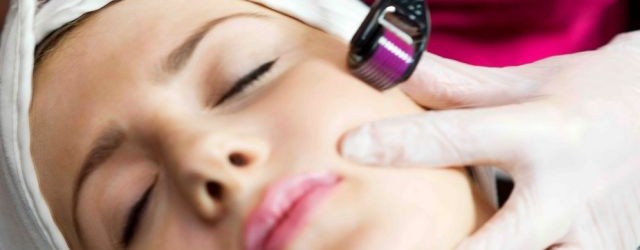
If you are not familiar, micro-needling is a non-invasive cosmetic procedure where a dermaroller or pen-like device containing several needles is moved along the skin as a means to create micro-wounds that cause the body to quickly create collagen and elastin fibers, which plump up the skin. Micro-needling causes the skin to initiate its natural wound healing process and is done in combination with products that promote the fading of hypermentation (such as Vitamin C) and ingredients that moisturize, such as aloe. This process can be done in an office setting or at home.

Micro-needling is mainly a treatment for mild to moderate acne scars, both old and new. However, it is also used to treat stretch marks, fine lines and wrinkles, and sun damage.

When performed in an office setting, it’s common that the doctor, nurse or esthetician will apply a topical numbing cream so as to avoid any discomfort. For the most part, despite it sounding painful having needles pierce your skin, the needles are often not felt.

So if micro-needling is intended to treat scars, why would it also cause them? Whenever you have an injury that creates a wound of any kind, even a microinjury and controlled wound created by micro-needling, it also causes micro-scars as well.

This is where a great product like InviCible Scars is beneficial because once your skin has been pierced by the needles, it more easily absorbs skin care products. InviCible contains Vitamin C, which will help in the fading of any hyperpigmentation - or if the procedure was done with the intention of getting rid of dark spots. Vitamin C also aids in collagen production. InviCible Scar Treatment contains moisturizing ingredients like aloe vera, licorice extract and EFA’s (essential fatty acids.) These same ingredients will also target the inflammation that ocurrs post-procedure as well. Moreover, it contains silicone, which will help treat the micro-scars.

When micro-needling is done at home, the upmost care should be taken as one of the biggest risks is pressing too hard onto the skin and creating a bigger skin injury than intended. Always follow the instructions that come with your kit.

Have you tried micro-needling?

Have a question about your scar? Leave a comment and we’ll be happy to answer.

Subscribe to Scars and Spots to get our posts delivered directly to your inbox!