
Skin Changes During Pregnancy

Skin Changes During Pregnancy

One of the common side effects of pregnancy is your skin’s reaction to the unfamiliar hormones flooding your system. Some of these are pleasant, such as the “glow” many pregnant women enjoy. Unfortunately, more of them are unpleasant for pregnant women; symptoms commonly experienced by pregnant women include everything from stretch marks and skin tags to acne and melasma.

Acne
Some pregnant women are lucky enough to enjoy a decrease in acne and clear, glowing skin. Some unlucky women, however, experience an increase in acne or even acne when and where they have never had it before. This type of acne usually disappears after delivery, when hormones gradually return to normal. But acne scars and dark marks can remain, and can be distressing for the woman.

Melasma
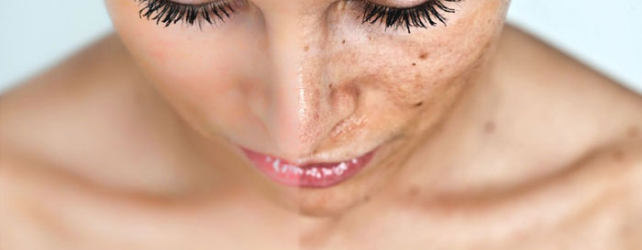
Pregnancy can cause an increase in skin pigmentation in certain areas of the body, even the face, as seen with melasma. Women who are not pregnant as well as (rarely) men can also experience melasma, but it is by far more commonly seen in pregnant women. Melasma causes a patchy tan or brown discoloration of the facial skin, typically on the cheeks, upper lip, chin, and forehead. Sun exposure can worsen melasma. People with darker skin tones have a greater risk of developing melasma during their pregnancies.

What to Avoid During and After Pregnancy
Depending on the type of skin change you experience, there are different methods for minimizing the appearance of the change and restoring your skin to its original state. However, whether you are dealing with melasma, acne, or even a cut or scrape unrelated to your pregnancy, you want to be sure to choose products and techniques that are safe for use during pregnancy.

That means avoiding:

  • Vitamin E: Studies do not show that vitamin E improves scars, and it can also cause skin irritation.
  • Hydroquinone: Although it does lighten scars, hydroquinone can also cause permanent skin discoloration, delayed healing, and skin irritation. It has also been suspected of causing some types of cancer, and has been banned in certain countries.
  • Kojic Acid: Kojic acid can cause increased skin sensitivity, potentially resulting in allergic contact dermatitis.
  • Additives such as fragrances and preservatives: Depending on the specific agent used, these can cause skin irritation.

How to Treat Skin Changes during Pregnancy
Instead, focus on treatment methods that involve natural and safe ingredients, such as licorice extract and vitamin C, to lighten scars, melasma, and acne marks during pregnancy. You can also maximize your results by drinking plenty of water, which benefits overall health, eating a healthy diet, avoiding the sun, and getting plenty of (doctor-approved) exercise. Exercise improves oxygen-rich blood circulation and contributes to the healing process; walking is a great exercise that most pregnant women can do daily. If you are already accustomed to more strenuous exercise, ask your doctor about continuing your normal routine during your pregnancy; it’s safe in many cases.

Do you have a question about your scar? Leave us a comment and we’ll be happy to answer.

Subscribe to Scars and Spots to get our posts delivered directly to your inbox!

The information on this site is provided as an information resource only, and is not to be used or relied on for any diagnostic or treatment purposes. Please speak to your doctor to treat any medical condition. Information on this site is not intended to be patient education, does not create any patient-physician relationship, and should not be used as a substitute for professional diagnosis and treatment.
Melasma Treatment: How to Fade Hyperpigmentation

Melasma Treatment: How to Fade Hyperpigmentation

Brown patches of skin that can appear on the face are known as Melasma. While the exact cause is unknown, it is more prevalent in women than men. There are many common triggers, such as the use of birth control pills, pregnancy, and certain medications that have been known to increase the skin’s sensitivity to the sun. Certain topical treatments are helpful in fading these types of spots. In some cases, a patient may have to experiment with various treatments before they find the one that works for them and is the most effective in treatment.

Treatment Time Frame

When topical treatments are used, it will require an exercise in extreme patience. For improvement to be noticeable, it may take several months of consistently using a topical Melasma treatment as directed. If a patient is working with a dermatologist, it is very important to make sure the directions for treatment are strictly followed in order for the maximum benefits to be received. This way results can appear much sooner instead of later.

The Importance of Sunscreen

When it comes to the treatment of Melasma, it is very important for the skin to be protected from the sun. Even if you are using topical medications or any other regimens the use of sunscreen is crucial to the success of the treatment. Exposure to the sun will weaken the effects of creams made for fading. Your skin’s sensitivity to the sun is increased by the different ingredients used in Melasma treatments, as well. Melasma can worsen if inadequate protection from the sun is an issue. Sunscreens that contain titanium dioxides and zinc with an SPF of 30 are recommended to offer full protection from the damaging rays of the sun.

Commonly Used, But Harmful Ingredients

One of the most common treatments for Melasma is the use of a bleaching agent known as hydroquinone. There are non-prescription versions available that contain approximately two percent, but prescriptions offer concentrations that are as high as four percent. However, this type of treatment doesn’t come without risk. Patients using hydroquinone can experience darkening of spots and a bluish hue developing on the skin. Hydroquinone can also lead to a condition called ochronosis, even when it is bought over-the-counter. This is permanent hyperpigmentation with sooty darkening of the skin. Ochronosis may also cause loss of skin elasticity and impaired wound healing. Other side effects include contact dermatitis (rash, redness, itching and flaking) and nail discoloration.

Kojic acid is a very popular ingredient in products of Asian skin lightening. Like hydroquinone, kojic acid is effective in lightening dark scars, brown spots and even Melasma. Unfortunately, some studies suggest that skin exposed to kojic acid on a regular basis becomes more sensitive. Skin sensitization is bad because it can lead to allergic contact dermatitis.

Treatments that are known to be the most effective will combine agents for skin lightening and exfoliating agents such as vitamin A and glycolic acid. Prescriptions creams that contain topical steroids, as well as other ingredients have been able to produce dramatic results. These agents are known as kojic acid, salicylic acid, extract of licorice, vitamin C, lactic acid, and azeleic acid.

Safe and Effective Ingredients

One of the most effective, and safe, ingredients to use to fade Melasma are products that contain a stable form of Vitamin C (L-ascorbic acid.) How do you know if it is stable? If your Vitamin C turns brown, then it has essentially oxidized and thus no longer effective. To disguise this oxidation, many Vitamin C skin care products are colored brown or dark yellow to begin with. Vitamin C in its stablest form is a powerful anti-oxidant that will help prevent further skin damage, while safely lightening dark spots like Melasma.

As with any skin treatment, in order for the desired results to be achieved, the application of Melasma-fading products have to be used on a regular schedule for a length of time. Have patience, be consistent and you will see results!

Do you have Melasma?

Subscribe to Scars and Spots to get our posts delivered directly to your inbox!