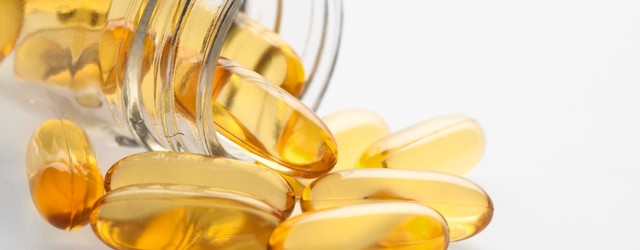
Does Vitamin E Get Rid of Scars?

Does Vitamin E Get Rid of Scars?

Since it is known as a powerful antioxidant, vitamin E has gained tremendous popularity as an ingredient in many skin care products, and is often touted as being effective at fading scars.

However, the truth is that in the vast majority of cases, up to 90%, vitamin E either has no discernible effect on scars, or it can even worsen their appearance.

When people notice improvement in their scars after using vitamin E, more often than not, it is simply hydration of the skin. While skin hydration is important to scar healing, it only plays one part in the proper healing of scars. However, vitamin E can also have some undesirable side effects, such as contact dermatitis, with itching, redness, and swelling. Contact dermatitis is seen in up to a third of people who use vitamin E on their skin. This makes many dermatologists, pediatricians, and other skin care professionals recommend avoiding using vitamin E on scars.

Vitamin E is often found in products that also contain other questionable ingredients, such as hydroquinone, kojic acid, preservatives, and fragrances. These ingredients have all been shown to be potentially harmful and are best avoided in scar treatment.

Vitamin E has been used in attempts to treat almost every imaginable skin condition. There is plenty of anecdotal evidence, of course, that vitamin E speeds healing and fading of scars. As a result, many people use topical vitamin E to help improve their scars after surgery or other skin injuries.

A recent study examined whether vitamin E actually had any effect on scar healing or the cosmetic appearance of scars. In this study, fifteen patients used vitamin E on new scars regularly for 12 weeks. Vitamin E was used on one side of the scar, while a common emollient was used on the other side of the scar. Neither the participants, nor the physicians who evaluated the appearances of the scars, knew which was which. The scars were checked at 1, 4, and 12 weeks and the opinions of both the participants and the physicians were taken into account. The conclusion of the study was that vitamin E clearly does not improve the appearance of scars, and in some cases, actually makes them worse.

For these reasons, vitamin E should not be used as a treatment for scars. Instead, people looking to reduce the appearance of a scar should look for a product that contains ingredients proven to help scars fade, such as dimethicone silicone in conjunction with aloe vera and licorice extract.

Subscribe to Scars and Spots to get our posts delivered directly to your inbox!

Share and Enjoy

  • Facebook
  • Twitter
  • Delicious
  • LinkedIn
  • StumbleUpon
  • Add to favorites
  • Email
  • RSS
Scar Treatment: What is Aloe Vera?

Scar Treatment: What is Aloe Vera?

Aloe Vera is a cultivated succulent plant whose medicinal and cosmetic uses have been known for thousands of years. This stemless (or short-stemmed) plant has healing, soothing, and rejuvenating properties (especially for scars!) Its leaves are thick and green to gray-green. Aloe Vera will flower under certain conditions, but most plants kept indoors do not flower. Aloe Vera’s phytochemicals are continually studied for their possible benefits such as antioxidant activity, enzyme stimulation, and antibiotic properties.

The gel from Aloe Vera leaves is often used in cosmetics, such as lotions and shaving gels because of the soothing, moisturizing, and healing effect it has on skin. It is also frequently found in beverages, yogurts, and other foods because of the positive health effects it is believed to have in small doses (although it can have toxic properties when ingested in large doses, so follow dosage instructions when ingesting it). Aloe Vera juice is widely available and believed to support digestive health.

Skin Benefits of Aloe Vera
Aloe Vera is believed to be very beneficial for the skin in particular, moisturizing, reducing chafing, relieving pain (for example, from sunburn), and reducing irritation. One way that it works is by forming a protective layer on the skin and helping to replenish its moisture. It can be used even by people with sensitive skin because it is gentle and soothing. Applying the gel to the face before applying makeup can prevent the skin from drying out. And men can use it as an aftershave, which has twofold benefits – soothing irritation and healing small cuts.
Aloe Vera gel has antimicrobial and anti-inflammatory properties believed to be helpful in healing and preventing scarring from acne and will not add oil to the face the way some lotions can. Also, it can be used to help lessen the effects of aging on the skin, improving the skin’s natural firmness and keeping the skin hydrated.

Aloe Vera and Scar Treatment
The purpose of skin is to cover the body and protect it from the environment. When it is cut or broken, it heals by forming a scar. Once a scar forms, it can be difficult to get rid of, but there are ever-improving methods for scar treatment that can greatly diminish the appearance of scars. Aloe Vera gel is one thing that can help scars heal faster by strengthening the collagen structure within the scar. It should not be used on open wounds, but on healing wounds, it can hasten healing and lessen scar formation. The glycoproteins in the gel are thought to stop inflammation and pain, and its polysaccharides promote skin growth and repair.

To use Aloe Vera, which is 99 percent water, you can either obtain the gel straight from the plant or buy an ointment, lotion, or gel that contains it. If you have an Aloe Vera plant, you can simply break off a leaf and split it lengthwise to extract the gel. Aloe should be extracted from the plant by “cold processing”. This ensures the aloe retains all its beneficial activity (efficacy). Apply it liberally to the affected area 2-3 times a day for best results. You can also apply Aloe Vera to stretch marks, which are actually scars from tiny tears in the skin caused by pregnancy, growth spurts, or changes in weight, to hasten their fading.

What are some of the ways you’ve used Aloe Vera?

Subscribe to Scars and Spots to get our posts delivered directly to your inbox!

Share and Enjoy

  • Facebook
  • Twitter
  • Delicious
  • LinkedIn
  • StumbleUpon
  • Add to favorites
  • Email
  • RSS

© 2013-2015 All Rights Reserved -- Copyright notice by Blog Copyright