
What Causes Hyperpigmentation?

What Causes Hyperpigmentation?

A common skin disorder is hyperpigmentation, or a darkening of the skin pigment. Many different diseases, disorders, and actions can lead to hyperpigmentation. By knowing what is causing your dark spots or other skin pigment changes, then you can find the best way to return your skin to its normal color. It is possible to treat and repair the damage that causes hyperpigmentation.

What is Hyperpigmentation?

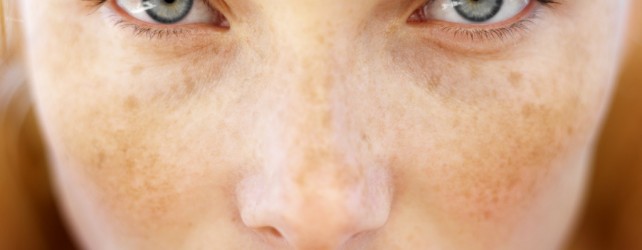
Hyperpigmentation is the darkening of melanin, the pigment in the skin cells. It can happen to just a small area, creating a freckle or spot, or it can cause problems on a large area of the body. Some people also have hyperpigmentation over their entire body. Typically, hyperpigmentation is not dangerous, making it solely a cosmetic concern. However, it could be symptomatic of another disorder that may be serious. Therefore, you should discuss any hyperpigmentation symptoms with your doctor to ensure there is not a serious condition underlying your skin disorder.

How Does it Develop?

One of the most common forms of hyperpigmentation is sun spots. These are the small to medium spots on your skin, typically the hands or face. They are caused by sun damage to the skin cells that creates an increase in melanin production in just one area of the body. Another common reason for this skin problem is melasma, which is a specific type of hyperpigmentation that arises during pregnancy due to the hormonal changes. Other disorders that affect your hormones, such as Addison’s disease, can also cause a change in melanin production. If you take certain medications, then you may experience hyperpigmentation as a side effect. Freckles are also a form of hyperpigmentation. Injury to the skin is another reason for hyperpigmentation development.

Read: What is the Difference Between Freckles and Age Spots?

How Can You Treat Hyperpigmentation?

There are a few different steps to treating hyperpigmentation. If an illness such as Addison’s disease or some other specific condition such as pregnancy causes it, then you should discuss with your doctor ways to control the hormones or other factors that contribute to the increase of melanin. If you believe it is caused by medicine, then discuss trying another medication instead. Wearing sunscreen and minimizing sun exposure can prevent hyperpigmentation due to excessive exposure to UV rays.

Once you have the cause under control, you can treat the areas of dark skin with a skin lightening cream. However, you want to ensure you do not use creams with harmful or toxic ingredients, especially if you are pregnant or have a medical condition. Common lightening ingredients and bleaches, including kojic acid and hydroquinone, can cause more harm then good, even if they work. Therefore, you should focus on using natural ingredients that will not only lighten your skin, but also help your skin to heal and look its best.

Licorice root extract and vitamin C are two powerful ingredients that nourish the skin, helping it to heal itself, while also expediting the lightening of the dark spots. If you find that your problems do not improve even with treatment, then you can discuss more invasive treatments with your doctor. You do not have to live with your hyperpigmentation; you can get your skin back to looking its best.

Have a question about your scar or dark spots? Leave a comment and we’ll be happy to answer.

Subscribe to Scars and Spots to get our posts delivered directly to your inbox!

Share and Enjoy

  • Facebook
  • Twitter
  • Delicious
  • LinkedIn
  • StumbleUpon
  • Add to favorites
  • Email
  • RSS
What Causes Age Spots?

What Causes Age Spots?

As you age, certain changes to your skin are almost inevitable, such as wrinkles and age spots. Although you cannot completely avoid the natural aging process, there are certain actions you can take to prevent and mitigate the problem. By recognizing what causes age spots, you can reduce your risk and find the right product to reduce the appearance of dark spots on your skin.

What are Age Spots?

Age spots are small to medium brown spots that appear on the skin, primarily the face and hands, as you age. They are often referred to as liver spots. They are caused by UV damage to the melanin production of the skin cells, which causes certain skin cells to appear darker than others. Age spots can range in size between miniscule to more than a 1/2 an inch, and will appear as tan, brown or black in color. They can also group together, which creates a more significant appearance. They are typically harmless and benign, making them mostly a cosmetic problem. However, if an age spot grows or changes rapidly, then you should get it checked out by a dermatologist to ensure it is not cancerous.

Read: What’s the Difference Between Freckles and Age Spots?

How Do Age Spots Develop?

Age spots develop due to excess UV exposure, either from the sun or tanning beds. They appear in the areas that have been most exposed to the sun, including the face, hands, and shoulders. Melanin is the pigment in skin cells that provides it with its color. UV light accelerates the production of melanin, which is what leads to tanning. However, the UV rays also damage the skin cells. Over time, this damage alters the production of melanin in the skin cell, causing high concentration of melanin in a particular area, which creates the age spots. Age spots are more common in those with pale skin, but those with a darker skin pigment can also develop age spots, as well.

How to Treat Age Spots?

The best way to treat age spots is prevention, which includes wearing sunscreen whenever you are in the sun, avoiding tanning beds and other excess exposure to UV rays. If you already have developed age spots, then you can treat them with a skin lightening cream. When choosing skin lightening creams, avoid dangerous and potentially toxic ingredients such as kojic acid and hydroquinone. Instead, choose all natural ingredients, such as licorice root extract and vitamin C, which will not only lighten the skin, but also keep it healthy. If the age spots do not respond to treatment, then you can discuss more invasive procedures, such as laser therapy or dermabrasion, with your doctor.

You can take precautions when you are young to avoid getting age spots as you age. Once you do begin to develop some unsightly age spots, you can start treatment to reduce their appearance. Just remember that it takes time for the skin to heal and return to normal once you have begun treatment.

Have a question about your scar or dark spot? Leave a comment and we’ll be happy to answer!

Subscribe to Scars and Spots to get our posts delivered directly to your inbox!

Share and Enjoy

  • Facebook
  • Twitter
  • Delicious
  • LinkedIn
  • StumbleUpon
  • Add to favorites
  • Email
  • RSS
What is the Difference Between Freckles and Age Spots

What is the Difference Between Freckles and Age Spots

Freckles and age spots both involve brown spots of skin, especially on the face. However, they are typically referred to, treated, and thought of differently. Age spots and freckles do have some similarities; however, they are two different types of hyperpigmentation that can be treated similarly.

What Makes the Skin Darken?

The skin darkens due to damage to the skin cells, especially the cells that produce melanin or pigment. Everyone has a regular pigment that his or her skin produces, whether fair or dark skin. When the skin cells DNA becomes damaged, either due to the sun, trauma or age, then the melanin production can be damaged. This can lead to hyperpigmentation, or dark spots.

What are Freckles?

Freckles typically are small and occur on those who have fair skin, especially red headed people. They typically occur on children and fade as a person ages, although a person with hereditary freckles can have them for his or her whole life. Sun exposure typically causes them; therefore, the more time someone spends in the sun, the more freckles he or she will get. The freckles may also become darker after spending time in the sun without broad sunscreen protection. Freckles tend to be an inherited trait, especially as they go hand in hand with other hereditary traits, including red hair and fair skin. For those where it is inherited, the appearance of freckles is inevitable, however consistent use of sunscreen can help to minimize just how many and how dark they will be.

What are Age Spots?

Age spots tend to be bigger than freckles and occur due to aging, as the name implies. They can also be slightly raised. Typically, age spots occur on the hands and face, rather than the entire body - unless you’ve experience a severe sunburn, on your back or shoulders, then dark spots can appear in these areas as well.

Although sun exposure plays a significant role in the development of age spots, they tend to occur due to deterioration of the skin cells that is part of the natural aging process. The more time a person has spent in the sun, the more damage to their cells, which is why age spots are connected to sun damage. The years of sun damage can lead to more melanin production in a certain area, causing an age spot. This is why wearing sun protective clothing, as well as broad spectrum sunscreen is vitally important from an early age.

The Difference Between Freckles and Age Spots

The main difference between freckles and age spots is the age of the person and the size and location of the spots. Freckles are small, can appear anywhere, and are directly attributed to sun exposure in those susceptible; they are also inherited. Freckles can appear on anyone of any age, especially children. Age spots, are not hereditary, can occur to anyone of any skin type, tend to develop on the hands and face, can also be larger in size and begins to be noticed in middle age.

Treatment of Dark Spots and Freckles

Whether a dark spot due to sun damage or freckles from the same or genetics, there are only two ways to minimize their appearance. Prevention with the use of sunscreen year round and generously applied every two hours and using a dark spot treatment. Make sure the sunscreen you are using blocks both UVA and UVB rays and that the treatment for dark spots is one that is effective with skin lighteners such as Vitamin C and licorice root extract.

Do you have a question about your scar or dark spot? Leave a comment and we’ll be happy to answer.

Subscribe to Scars and Spots to get our posts delivered directly to your inbox!

Share and Enjoy

  • Facebook
  • Twitter
  • Delicious
  • LinkedIn
  • StumbleUpon
  • Add to favorites
  • Email
  • RSS
How to Remove Dark Spots from Razor Bumps and Ingrown Hair

How to Remove Dark Spots from Razor Bumps and Ingrown Hair

Razor burn and ingrown hairs are unsightly side effects of shaving, but they typically require a simple treatment and disappear after a few days. However, when you have dark spots that form due to razor bumps and ingrown hair, it requires more work to make your skin look flawless. By following these simple tips, you can fade the dark spots that form.

What Causes Dark Spots to Form?

When you shave, especially if you do not use shaving cream or shave with a dull razor, it can lead to razor bumps and ingrown hair. The two main causes are uneven pressure or bacteria entering the pores. When shaving, hair may become trapped under the skin or regrow into the skin, which makes it an ingrown hair. This causes bumps to form, and you may experience swelling, and pain. If the bacteria get into the pores, it leads to infection, similar to some forms of acne. Initially, your skin will turn red, and you might even have some puss forming if it becomes infected. As the skin heals, the area can scar and turn darker, leading to a dark spot. This occurs due to the damage to the cells that produce melanin or the skin pigment.

Prevention is Key

One of the best ways to treat dark spots is to prevent them from forming. Therefore, you should always shave with some cream or gel and use a sharp blade. This reduces the risk of developing ingrown hair and razor bumps. When you do have an ingrown hair, then treat it carefully and do not shave again until it has healed. Treat the area with an anti-inflammatory and antibacterial cream to help the skin to heal and prevent any further damage.

Treat the Dark Spots

Once you have dark spots, they will typically disappear after several months, but you can expedite the skin’s healing process by using a skin lightening cream. However, you want to ensure to use ingredients that will help the skin, not further harm it. Some common ingredients in skin lightening creams include kojic acid and hydroquinone. However, you do not want to use these, as they have dangerous side effects. Instead, you should aim for natural and healthy ingredients that will lighten the skin without harming your body, such as licorice root extract. Vitamin C is another ingredient that will help, not harm, your skin. It is an antioxidant that reverses the cellular damage caused to the skin, including the damage to the cells that produce melanin. In addition to fading scars and dark spots, it also promotes your skin’s natural healing process, including producing collagen.

You can remove the dark spots from razor burn and ingrown hair, but it starts by ensuring you shave properly. You also want to take care of any damage to the skin right away.

Do you have a question about your scar or dark spot? Leave a comment and we’ll be happy to answer.

Subscribe to Scars and Spots to get our posts delivered directly to your inbox!
Share and Enjoy

  • Facebook
  • Twitter
  • Delicious
  • LinkedIn
  • StumbleUpon
  • Add to favorites
  • Email
  • RSS
How to Lighten Elbow Scars

How to Lighten Elbow Scars

Your elbows are a surprisingly vulnerable part of your body. You often hit them on something as you walk by, and when you trip and fall your elbows can often take the brunt of the fall. Bumps and bruises are one thing, but significant skin damage such as a laceration usually results in scarring.

When scarring does occur on the elbows, it is often worse than scarring on other parts of the body. Since the elbow is a joint, constant stretching of the skin can make scars wider and darker compared to scars away from joints. There are safe ways to fade and lighten elbow scars to make them less noticeable.

Watch out for Dangerous Skin Lighteners

Some products on the market promote themselves as skin lighteners, and they do work. However, they have potential side effects that make it dangerous to use the products. One example is hydroquinone, a popular ingredient in scar treatments. It works by inhibiting melanin, the substance that produces skin pigment. Although this does lead to a lighter skin tone, the product can be toxic especially in higher concentrations. Kojic acid is another popular skin lightening ingredient that works, but at also sometimes at a cost. It can cause heightened skin sensitivity and can increases the risk of allergic reactions.

Choose Products that Promote Skin Healing

One of the best ingredients to look for is vitamin C. It promotes healthy collagen production and fights free radicals which damage the skin cells. Vitamin C also decreases the excess pigmentation after skin injury that can lead to scars becoming darker and more visible than the surrounding skin.

Licorice root extract is another ingredient that helps to lighten elbow scars. Compounds in licorice inhibit melanin activity, which in turn fades abnormal skin pigmentation. However, it does not have the side effects of harsh ingredients such as Kojic acid or hydroquinone.

Do you have a question about your scar? Leave a comment and we’ll be happy to answer.

Subscribe to Scars and Spots to get our posts delivered directly to your inbox!

Share and Enjoy

  • Facebook
  • Twitter
  • Delicious
  • LinkedIn
  • StumbleUpon
  • Add to favorites
  • Email
  • RSS

© 2013-2015 All Rights Reserved -- Copyright notice by Blog Copyright