Does Licorice Extract Get Rid of Scars?

Does Licorice Extract Get Rid of Scars?

Grown mainly in southern Europe and China, “licorice” means “sweet root.” This perennial plant grows up to five feet tall with a vertical root. Licorice is not difficult to grow, but it takes several years before the roots can be collected. The main ingredient in licorice is actually a sweetener which is many times sweeter than sugar.

Licorice may not be the first thing that comes to mind when you think about scar treatment, but in fact, licorice is excellent for lightening hyperpigmentation, melasma, and dark scars and evening out skin tone. Licorice has natural properties that allow it to reduce dark spots and diminish the appearance of scars, and it has the added benefit of being a natural ingredient that carries none of the health risks of chemicals such as hydroquinone.

Licorice is often used in traditional Chinese medicine to harmonize ingredients in herbal formulas. Scars, uneven skin tone, and dark spots caused by acne or sun exposure can all be greatly improved by using a product that contains licorice extract. Licorice extract is a highly effective, safe, and natural ingredient which may prevent the need to resort to more drastic measures such as laser skin resurfacing.

Licorice contains several components which have positive skin effects. Due to its makeup, licorice is effective at skin brightening and lightening, improving acne, and oil production regulation, as well as having antibacterial and antioxidant properties. This versatile extract is also a strong anti-inflammatory agent.

Licorice extract works to fade hyperpigmentation by inhibiting melanin activity, thereby producing whitening of the skin. However, skin whitening is just one of licorice’s beneficial properties. It has also been found to have sunscreen-type properties that help protect against harmful UV rays and reduce skin sensitivity. This keeps skin looking younger and helps minimize or prevent hyperpigmentation or scar worsening. Licorice is also safe for sensitive areas because it is a natural, gentle ingredient.

Another condition for which licorice extract can be used is melasma, which causes patches of dark pigmentation on the face. This discoloration is typically seen in pregnant women or in women who have recently given birth; it can also be caused by certain drugs such as hormonal contraception, some antibiotics, or even anti-malarial drugs. Melasma may be transient or it may persist for years – but licorice is an effective remedy.

It is important to understand that most scars cannot be erased completely by any means – most scars are permanent. However, certain products have been shown to have dramatic lightening and minimizing effects on scars, and licorice is one of those ingredients. When applied topically, is has proven skin brightening effects, lightens dark pigmentation, and can reduce the visibility of scars dramatically. When used in combination with other proven ingredients, such as dimethicone silicone, licorice can make a huge difference in how your scar looks and how you feel about your appearance. And given the fact that it is completely natural and safe, this is one remedy you’ll definitely want to try.

Do you have a question about your scar? Leave a comment and we’ll be happy to answer.

Subscribe to Scars and Spots to get our posts delivered directly to your inbox!

Share and Enjoy

  • Facebook
  • Twitter
  • Delicious
  • LinkedIn
  • StumbleUpon
  • Add to favorites
  • Email
  • RSS
Benefits of Chemical Peels

Benefits of Chemical Peels

A chemical peel is a procedure done by a dermatologist. A chemical solution is applied to the face, for the purpose of removing the upper layer of skin cells. A chemical peel accelerates the rate of new skin growth, promotes lightening of pigment, and imparts healthier, more uniform skin. Chemical peels can be combined with skin lightening procedures to maximize results.

Chemical peels have several benefits. First of all, they reduce wrinkles. The procedure separates and removes the top layers of skin to reveal the smoother, younger-looking skin below. A peel may also stimulate your skin to produce more collagen, which will promote fewer wrinkles and a younger-looking complexion.

Acne scarring is also affected by chemical peels. The peel gets rid of dead skin cells, which results in an evened-out texture. Acne scars, freckles, sunspots, and other discolorations are greatly improved by chemical peels. Chemical peeling is a quick and simple procedure with a short recovery time.

Types of Chemical Peels
There are several different types of chemical peels; you and your dermatologist should discuss them and choose the one that suits your individual needs best.

Alpha hydroxy peels typically use glycolic acid to reduce the appearance of fine lines and smooth out rough skin. This is a mild peel, so while it probably won’t require any anesthetic, it will require a series of treatments to achieve the desired results.

Beta hydroxy peels use salicylic acid to treat very acne-prone skin. This type of peel is deeper than an alpha hydroxy peel and offers more striking and longer-lasting results. It is still a mild peel, though, and usually does not require anesthetic and may still require a series of treatments.

Jessner’s peels use a combination of ingredients that form a stronger solution than the alpha or beta hydroxyl peels. These peels require a recovery time of about a week, but do not require anesthetics.

TCA peels use trichloroacetic acid to treat many skin imperfections, such as sun damage, wrinkles, and acne scarring. Anesthetic may not be required during the procedure, but over-the-counter pain medications can be taken for the following day or two to reduce stinging. The recovery time is about a week, and the results are dramatic.

Phenol peels provide the most dramatic results of all. This peel can not only treat visual imperfections, but may also be used to remove precancerous growths. This is a more involved procedure which requires local anesthesia during the procedure and pain medication after. Recovery time can be up to a month, but many people find that the results are well worth it.

Special Considerations
Your dermatologist may advise you to apply certain products to your skin for several weeks before your treatment to exfoliate your skin and maximize the effects of the peel. In addition, a silicone gel can help your skin post-peel. This works by promoting collagen and lipid production, helping to moisturize and heal your skin. Silicone gels may also help reduce hyperpigmentation and significantly enhance the results of the procedure. Be sure to use sunscreen after a peel, as your skin is likely to be much more sensitive to sunlight. Ask your dermatologist about recommended aftercare.

Subscribe to Scars and Spots to get our posts delivered directly to your inbox!

Share and Enjoy

  • Facebook
  • Twitter
  • Delicious
  • LinkedIn
  • StumbleUpon
  • Add to favorites
  • Email
  • RSS
How Do You Get Rid of Dark Scars?

How Do You Get Rid of Dark Scars?

Getting rid of a dark scar completely may not be possible, but there are effective scar treatments available that can dramatically lighten their appearance. Diet, exercise, lifestyle choices, and medications with certain ingredients can all work to improve the dark color of scars.

Nutrition and Scar Healing

The goal of a scar treatment is to reduce the visibility of the scar, but not all scar treatments are topical. Nutrition is an important part of any complete scar treatment. When the body has the balance of nutrients it needs, it can supply the injured tissue with the right nutrients that help the scar fade and heal. Eating a healthy diet, and possibly taking appropriate supplements, are the only ways to acquire the proper nutrients.

Get Moving

Exercise also helps reduce scarring. When you exercise, you increase blood flow, which helps nourish skin cells. The increased circulation carries nutrients and oxygen to the skin, as well as carrying away waste products, including free radicals. Basically, exercise flushes cellular debris out of the body, effectively cleansing the skin from the inside out. Another benefit of exercise is that it reduces stress, which is thought to improve certain conditions that can be aggravated by stress, like acne. So exercise can both improve the appearance of existing scars and help prevent them from forming in the first place.

Protect Your Skin (and Scars) from the Sun

Don’t be tempted to try to get a suntan to hide a scar. Far from being an effective method of scar healing (or hiding), the sun will often darken or otherwise worsen the appearance of the scar. First of all, scars are much more prone to sunburn than healthy skin. The darkening of a scar caused by too much sun exposure can be permanent. This effect can be even more pronounced in people with darker skin complexions. Using sunscreen, reapplying it often, and wearing protective clothing over the scar can help prevent darkening of scars caused by the sun.

Read: How Does the Sun Affect Scars

Read: Does Tanning Fade Scars?

Don’t Smoke

You’ve heard it before, but it bears repeating when it comes to scar healing. There’s a good reason why plastic surgeons advise you to quit smoking at least a month before any surgery and not smoke at all during recovery. Anytime your skin undergoes cuts, scars are a normal part of the healing process, but that process can be interrupted and the scar worsened by smoking, which reduces oxygen to the area and increases the risk of infection.

Use a Scar Treatment with Proven Ingredients

Sources of Vitamin C have a lightening effect on scars. Silicone is another ingredient to look for, as it has been shown to improve almost all scars significantly. You should avoid hydroquinone, which carries a high risk of irritation or allergic reactions, as well as a possible link with certain types of cancer. A gel containing silicone can be especially helpful because you can wear a concealer over it to further hide the scar while healing is underway.

Subscribe to Scars and Spots to get our posts delivered directly to your inbox!

Share and Enjoy

  • Facebook
  • Twitter
  • Delicious
  • LinkedIn
  • StumbleUpon
  • Add to favorites
  • Email
  • RSS
Melasma Treatment: How to Fade Hyperpigmentation

Melasma Treatment: How to Fade Hyperpigmentation

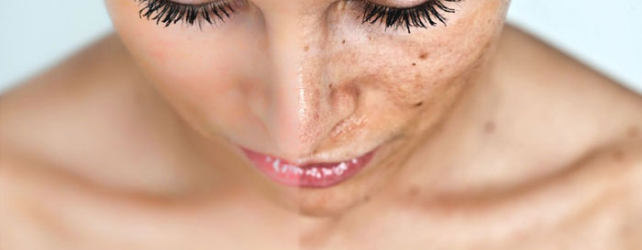
Brown patches of skin that can appear on the face are known as Melasma. While the exact cause is unknown, it is more prevalent in women than men. There are many common triggers, such as the use of birth control pills, pregnancy, and certain medications that have been known to increase the skin’s sensitivity to the sun. Certain topical treatments are helpful in fading these types of spots. In some cases, a patient may have to experiment with various treatments before they find the one that works for them and is the most effective in treatment.

Treatment Time Frame

When topical treatments are used, it will require an exercise in extreme patience. For improvement to be noticeable, it may take several months of consistently using a topical Melasma treatment as directed. If a patient is working with a dermatologist, it is very important to make sure the directions for treatment are strictly followed in order for the maximum benefits to be received. This way results can appear much sooner instead of later.

The Importance of Sunscreen

When it comes to the treatment of Melasma, it is very important for the skin to be protected from the sun. Even if you are using topical medications or any other regimens the use of sunscreen is crucial to the success of the treatment. Exposure to the sun will weaken the effects of creams made for fading. Your skin’s sensitivity to the sun is increased by the different ingredients used in Melasma treatments, as well. Melasma can worsen if inadequate protection from the sun is an issue. Sunscreens that contain titanium dioxides and zinc with an SPF of 30 are recommended to offer full protection from the damaging rays of the sun.

Commonly Used, But Harmful Ingredients

One of the most common treatments for Melasma is the use of a bleaching agent known as hydroquinone. There are non-prescription versions available that contain approximately two percent, but prescriptions offer concentrations that are as high as four percent. However, this type of treatment doesn’t come without risk. Patients using hydroquinone can experience darkening of spots and a bluish hue developing on the skin. Hydroquinone can also lead to a condition called ochronosis, even when it is bought over-the-counter. This is permanent hyperpigmentation with sooty darkening of the skin. Ochronosis may also cause loss of skin elasticity and impaired wound healing. Other side effects include contact dermatitis (rash, redness, itching and flaking) and nail discoloration.

Kojic acid is a very popular ingredient in products of Asian skin lightening. Like hydroquinone, kojic acid is effective in lightening dark scars, brown spots and even Melasma. Unfortunately, some studies suggest that skin exposed to kojic acid on a regular basis becomes more sensitive. Skin sensitization is bad because it can lead to allergic contact dermatitis.

Treatments that are known to be the most effective will combine agents for skin lightening and exfoliating agents such as vitamin A and glycolic acid. Prescriptions creams that contain topical steroids, as well as other ingredients have been able to produce dramatic results. These agents are known as kojic acid, salicylic acid, extract of licorice, vitamin C, lactic acid, and azeleic acid.

Safe and Effective Ingredients

One of the most effective, and safe, ingredients to use to fade Melasma are products that contain a stable form of Vitamin C (L-ascorbic acid.) How do you know if it is stable? If your Vitamin C turns brown, then it has essentially oxidized and thus no longer effective. To disguise this oxidation, many Vitamin C skin care products are colored brown or dark yellow to begin with. Vitamin C in its stablest form is a powerful anti-oxidant that will help prevent further skin damage, while safely lightening dark spots like Melasma.

As with any skin treatment, in order for the desired results to be achieved, the application of Melasma-fading products have to be used on a regular schedule for a length of time. Have patience, be consistent and you will see results!

Do you have Melasma?

Subscribe to Scars and Spots to get our posts delivered directly to your inbox!
Share and Enjoy

  • Facebook
  • Twitter
  • Delicious
  • LinkedIn
  • StumbleUpon
  • Add to favorites
  • Email
  • RSS
What is Post Inflammatory Hyperpigmentation?

What is Post Inflammatory Hyperpigmentation?

Post Inflammatory Hyperpigmentation is a type of condition that happens when the melanocytes, which produce pigment, create an abundance of melanin. Dark spots that are black or brown in color will begin to develop where lesions from acne once were. Anyone who has this condition will likely be very disturbed and frustrated.

The condition of Post Inflammatory Hyperpigmentation is not just something that only people with acne can contract. It can also result from certain medications, allergies, certain types of skin infections, burns, and some diseases of the skin. People who have acne can contract this condition through reactions from some medications to treat acne.

Read: Does Lemon Juice Fade Acne Scars?

One of the most common acne treatments is known as benzoyl peroxide. It can cause skin irritations that can move to pigmented areas of the skin. Statistics show that one in 20 people experience sensitivity to benzoyl peroxide. This sensitivity can result in further skin irritations developing and leading to Post Inflammatory Hyperpigmentation. This is especially true in those that are dark skinned.

Today many doctors prescribe retinoids for the treatment of acne in patients. Some people will experience moderate to severe skin irritation with this product use. This can predispose those patients to Post Inflammatory Hyperpigmentation. Because people with high pigment in their skin are at such a risk, many doctors will not even consider prescribing retinoids for those patients. In some cases, retinoids can be used to treat pigmentation inflammatory cases, but not very often.

When retinoids are the cause of pigmentation issues, they may go away when they are stopped. In cases of hyperpigmentation that is a result of acne treatments, this is not necessarily the case. In any case, the first step is to immediately stop whatever type of treatment is causing said irritation. Secondly, begin wearing a high SPF sunscreen to protect the skin from further damage from the harsh rays of the sun. Hyperpigmented skin has two enemies: ultraviolet light and irritation.

Read: How Does the Sun Affect Scars?

Some physicians may recommend a treatment with hydroquinone, which is a topical cream that can lighten the pigmentation by a reduction in pigment production. However, hydroquinone does not come without additional problems or issues. In some animal studies it has been known to increase the risk of certain types of cancer. Some patients have reported that after long-term use they have experienced darkening of the skin instead of lightening. The preservatives in hydroquinone cause some people to have allergic reactions. It is advised that if you are a user of hydroquinone, it is best to apply a very small amount to the area that is pigmented only.

To hide pigmented areas until they can lighten, it is recommended that a good concealer be used. The lightening could take up to a year. Some other treatments for Post Inflammatory Hyperpigmentation would be glycolic acid and chemical peels. Before any treatments are implemented it is a good idea to schedule a consultation with a dermatologist. This way you can be advised on the appropriate treatment for any condition.

Subscribe to Scars and Spots to get our posts delivered directly to your inbox!

Share and Enjoy

  • Facebook
  • Twitter
  • Delicious
  • LinkedIn
  • StumbleUpon
  • Add to favorites
  • Email
  • RSS

© 2013-2015 All Rights Reserved -- Copyright notice by Blog Copyright