3 Ways to Get Zinc into Your Diet

3 Ways to Get Zinc into Your Diet

The healthy human body is a fusion of metabolic processes delivering energy to limbs and the brain. We need to process certain minerals and metallic compounds to keep that process moving along at peak efficiency. Zinc is one of the more crucial elements in that miraculous organic process, aiding in supporting a healthy immune system,which promotes scar healing, and ensuring every part of the body is sound, and bursting with energy.

Here are three naturally occurring sources of zinc to check out:

1. Pumpkin Seeds

The World Health Organization is one of many branches of science quick to recommend the pumpkin seeds for maximizing zinc intake. While the shell doesn’t contain significant amounts of zinc, unshelled bags of pumpkin seeds provide an excellent source of the mineral, protecting the immune system and enhancing protein synthesis.

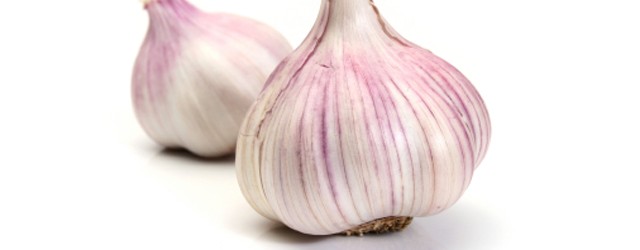
2. Garlic

Found across a wide spectrum of world cuisine, in pasta and salad, pizza and meat dishes, the pungent garlic bulb is host to many healthy minerals. The high amount of zinc in the bulb aids in improving liver function, combining with the antioxidant properties of garlic to promote a healthier metabolism, detoxing the body. Garlic is a powerful addition to a zinc specific diet as well as a tasty treat in any meal.

3. The Virtues of Meat

The above choices come more from a vegan or vegetarian emphasized dietary perspective, but meat has to be a consideration in adding a zinc rich food, especially since pork, beef, salmon and other animal products have high concentrations of the mineral in every bite. Of course, practice awareness of portions when consuming meat. Health is the goal here, and we don’t wish to compromise that target by greedily devouring chunks of meat full of cholesterol and nasty fat.

As with most other minerals, the easiest and best way to deliver zinc into a healthy diet is to turn to naturally occurring sources and organic food full of nutrients. A salad or sandwich filled with lean cuts of meat and pumpkin seed is one option, or a pasta cooked in extra-virgin olive oil and plenty of onions, scallions and tasty garlic.

Do you have a question about your scars? Leave a comment and we’ll be happy to answer.

Subscribe to Scars and Spots to get our posts delivered directly to your inbox!

The information on this site is provided as an information resource only, and is not to be used or relied on for any diagnostic or treatment purposes. Please speak to your doctor to treat any medical condition. Information on this site is not intended to be patient education, does not create any patient-physician relationship, and should not be used as a substitute for professional diagnosis and treatment.
Bing Cherry Recipes

Bing Cherry Recipes

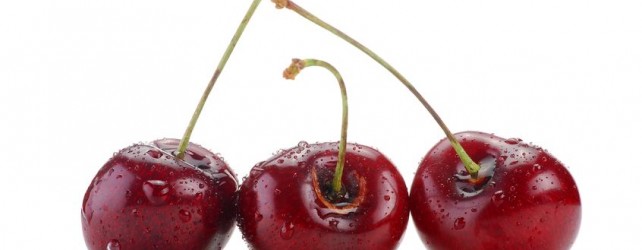
Summer is here and cherry season is at its peak. One of the most popular among the cherry clan is the sweetly delectable Bing cherry. Cherries are packed with Vitamin C, which helps to fade and minimize the appearance of your scar. It’s to your benefit to eat this delicious fruit!

Here’s some recipes to get you started!

Bing Cherry Salad

Ingredients:

  • 1 fifteen ounce can of Bing cherries
  • 2 eight ounce cans of crushed pineapple in juice
  • 1 six ounce package of cherry-flavored gelatin
  • 1 cup of cold water
  • Garnishes: poppy seeds or arugula leaves

Preparation:

  1. Drain cherries and pineapple, reserving 1 ½ cups of fruit juice in a saucepan.
  2. (If necessary, add water to equal 1½ cups.)
  3. Bring juice mixture to a boil over medium heat.
  4. Stir in gelatin, and cook for two minutes, while continuing constant stirring, or until gelatin dissolves.
  5. Remove from heat and stir in 1 cup of cold water.
  6. Chill until it reaches a consistency of unbeaten egg whites (about one and a half hours.)
  7. Once the desired consistency is reached, gently stir in drained cherries and pineapple.
  8. Pour the mixture into an eight inch square baking dish.
  9. Cover and chill for eight hours or until firm.
  10. Once completely chilled, garnish if desired.

Read: How to Optimize Scar Healing with Nutrition

Double Chocolate Covered Cherry Muffins

Ingredients:

  • 1½ cups of all-purpose flour
  • 1 cup of white sugar
  • ¼ cup of unsweetened cocoa powder
  • 2 teaspoons of baking powder
  • ¼ teaspoon of salt
  • ¼ cup of milk
  • ¼ cup of vegetable oil
  • 1 large egg
  • 1 teaspoon of pure vanilla extract
  • 1 cup of fresh Bing cherries, pitted and chopped
  • 1 cup of semi-sweet chocolate chips

Preparation:

  1. Preheat oven to 400 degrees.
  2. In a large sized mixing bowl, combine the flour, sugar, cocoa powder, baking powder and salt.
  3. In a medium sized mixing bowl, beat together the milk, vegetable oil, egg and vanilla extract.
  4. Gradually stir the dry mixture into the wet mixture, until combined.
  5. Stir in the Bing cherries and chocolate chips until batter is thick.
  6. Spoon the batter into a greased muffin tin filling each compartment about three fourths full.
  7. Bake for eighteen to twenty-three minutes or until a toothpick comes out clean.
  8. Allow cooling time in the pan for five minutes before removing. Makes one dozen muffins.

Enjoy the sweetness of the summer rays against the skin and the sweetness of cherries on the tongue all rolled together into one with these delicious Bing cherry delights!

Subscribe to Scars and Spots for more scar healing tips!

How to Get Rid of Liposuction Scars

How to Get Rid of Liposuction Scars

When you choose liposuction to smooth the appearance of your skin, you obviously want the most natural outcome possible. Unfortunately, the process of liposuction can and will leave behind scars. In order to minimize their appearance, and to prevent them from becoming worse than they could – or should – be, it is important for you to take proactive steps towards promoting scar healing. Though the incision site for a liposuction procedure will be smaller than that used by other procedures, it’s important to treat the site of the incisions you receive with the same care as you would the incisions left behind by any surgical procedure.

This process begins before you even head in for liposuction. Drinking plenty of water may not hydrate your skin, but it’s still important for overall health and to be as healthy as possible when heading into surgery. Likewise, ensuring that you are eating a healthy diet filled with the proper vitamins and nutrients, such as zinc and copper, can help to promote the healing of your scars through the development of the collagen required for the formation of healthy scar tissue. It’s also important to ensure that you are not smoking for at least 6 weeks prior to the procedure, as well as for 6 weeks immediately following it, as smoking can slow down the healing process and lead to worsened scars.

Ensuring that your liposuction scars heal fully and with a minimal amount of damage does not end once you have the procedure, though. It’s important to give them the proper aftercare immediately following the procedure, as well as for several weeks afterwards, until the scars themselves have begun to fade. Using a topical treatment that contains natural Vitamin C can offer you a tremendous boost to the healing of your scars. A treatment such as this will need to be used on a regular basis, as the body does not naturally store Vitamin C, so keep this in mind. Keeping the scars moisturized with a treatment such as that offered through ingredients like dimethicone silicone can also be important.

Though you might think that clothing is enough to prevent damaging exposure to the sun, remember that UV rays can travel through clothing, so making use of a sunscreen with appropriate UVA and UVB protection. It goes without saying that you should use at least an SPF 30 if you plan on heading to the beach or the pool at any time in the months following your liposuction procedure.

If you take the proper steps, you can vastly minimize the appearance of liposuction scars. Because they’re small to begin with, you can prevent them from being very noticeable at all. The important thing is to be proactive in the treatment of your liposuction scars and in the treatment process.

Do you have a question about your scar? Leave us a comment and we’ll be happy to answer.

Subscribe to Scars and Spots to get our posts delivered directly to your inbox!

How to Minimize Facelift Scars

How to Minimize Facelift Scars

Scarring is a concern regardless of the type of cosmetic surgery an individual is receiving. However, a procedure such as a facelift can be even more concerning to patients, as any scarring that may result will be much more readily visible than the scars that may appear with other types of procedures. There are many ways to reduce the appearance of scars after a facelift, just follow these tips below:

Be Proactive With Scar Healing

The first thing that every individual must do is be proactive about their health, and especially the health of their skin, prior to their surgery. It is recommended that for the best health possible, every individual quit smoking at least 6 weeks prior to and after surgery. For more information as to how smoking affects scars, be sure to read the highlighted post.

Maintaining a healthy diet with vitamin-rich foods is always a good idea, but can be especially important around the time of your surgery. After all, the healthier you are overall, the quicker you will generally heal. And the quicker you heal, the less chance there is for very noticeable scarring at the site of the incision for your facelift.

Read: How to Optimize Scar Healing with Nutrition

Caring for Sutures Immediately Post-Surgery

You will be given information from your cosmetic surgeon for the care of your incision sites immediately following the facelift procedure. It is important to follow your surgeon’s directions exactly – this will be your first step in ensuring that your wounds heal as they should. With a facelift it will be easy to avoid damage to the incision site during the day. However, you will need to pay attention to the way that you are sleeping in order to avoid irritating the site of the incision during the night.

Further Steps to Minimize Face Lift Scars

Be aware that for several weeks after surgery, even after the initial sutures are removed, the scars left behind will be noticeably red. This is normal, so don’t be alarmed – much of this will fade over time. (Read: Are red scars permanent scars?) However, there are things that you can do to ensure that they heal better and faster.

With bodily scars, it is easier to cover them with clothing to avoid harmful sunlight. With facelift scars, you will need to be sure that you are using a sunblock that can block both UVA and UVB rays. You may also consider wearing a hat or scarf to block direct sunlight to the scars.

As you progress through the healing process, you can also consider the use of scar treatment products containing ingredients such as dimethicone silicone, which has significant moisturizing properties, and vitamin C, which have proven efficacy in the fading and softening of scars. Though you can never make scars disappear completely, taking the proper steps can minimize them by a great amount.

Do you have a question about your scar? Leave us a comment and we’ll be happy to answer.

Subscribe to Scars and Spots to get our posts delivered directly to your inbox!

3 Reasons to Eat More Pineapple

3 Reasons to Eat More Pineapple

When you think of a pineapple, you may often associate it with tropical locations and warm, sunny weather. It is also one of the most popular tropical fruits in the world not only are they juicy and delicious, but because they are also nutritious and healthy. Not only should pineapple be a regular part of your diet for health reasons, you should be including it to optimize your nutrition for better scar healing.

Here are 3 of the main benefits to eating pineapple:

Pineapple is loaded with healthy vitamins and minerals. This fruit is low-fat, low cholesterol and packed with vitamins A and C, fiber, phosphorus, calcium and potassium. These vitamins and minerals helps keeps gums healthy, strengthen bones, promotes a healthy immune system and improves digestion. And as you know, Vitamin C is necessary for proper collagen production at the wound site and a deficiency of Vitamin A can critically slow down the healing of wounds and other injuries.

Pineapple is a great food for those who are looking to lose weight. Pineapple is filling because it high in water content. It also is a nutritious low-fat, low-calorie alternative to high calorie, high sugar and high fat snacks such as potato chips, breads and candy. Pineapple makes a great in-between meal snack or supplement to any meal.

Pineapple aids in decreasing inflammation. Pineapple contains bromelain, which has anti-clotting and anti-inflammatory properties, which is especially important with new scars.

Other than its high versatility, high nutritional content, affordability and many health benefits, pineapple is easy to serve and makes for a great on-the-go-snack.

Do you have a question about your scar? Leave us a comment and we’ll be happy to answer.

Subscribe to Scars and Spots to get our posts delivered directly to your inbox!