
Getting the Most Out of Your Scar Treatment

Getting the Most Out of Your Scar Treatment

Finding a great scar treatment product is only half the battle. If only it were as simple as applying a gel and watching your scar vanish! The truth is that the effectiveness of any product depends partly on how you use it and many of the choices you make during treatment. You want your scar as minimally visible as possible, so be sure to follow these tips to maximize your results.

1. Choose the right product. You want a product you can trust to be safe and effective, one that does not contain any harmful ingredients or unnecessary chemicals. Look for a scar treatment with dimethicone silicone, a stable form of Vitamin C, aloe vera, licorice extract, and other ingredients that have been proven to heal scars without damaging your health.

2. Use the product consistently. Of all the things you should be doing, this is probably the most important. It is far too common for people to begin using a product and then get busy, distracted, or even discouraged if their results aren’t fast and dramatic. This can lead to using the product sporadically or stopping its use altogether before treatment is complete, which will not yield the best possible results. Use the product at least twice a day for at least 12 weeks. You may notice improvements within the first couple of weeks, but the scar will continue to improve for up to several months.

3. Apply the product first. That means under any moisturizer, sunscreen, or makeup. In order for the product to be effective, it must be applied directly to the skin. After applying, be sure to wait for it to dry before applying cosmetics or other products.

4. Boost your results with a healthy diet. Vitamin C isn’t only effective in a scar cream and applied to the skin; it also offers great scar-healing benefits when eaten, so get plenty of citrus fruits, broccoli, peppers, and other foods rich in vitamin C. Protein will help your body make the most of collagen; zinc and vitamin B both work to help your skin heal faster; Vitamin A is great for tissue synthesis.

Read: How Nutrition Affects Scar Healing

5. Avoid the sun. Even brief exposure can lead to darkening of your scar, and this change can be permanent. Especially during the first six months, when scars are still forming and changing, be sure to wear an SPF 30 sunblock, or keep the scar covered with clothing.

6. Get plenty of exercise. Exercise offers many heart and overall health benefits, improves your mood, gives you more energy, and helps you sleep better. But exercise also helps your scar heal faster! That’s because exercise improves your circulation, meaning that more oxygen-rich blood is transported to the site of your healing scar, and oxygen is key in optimal healing. If your scar is the result of a surgical incision, you may not feel much like exercise at first, but do as much as you can (and as much as your doctor gives the green light on). Even a short daily walk will go a long way to help with healing.

Do you have a question about your scar? Leave us a comment and we’ll be happy to answer.

Subscribe to Scars and Spots to get our posts delivered directly to your inbox!

Share and Enjoy

  • Facebook
  • Twitter
  • Delicious
  • LinkedIn
  • StumbleUpon
  • Add to favorites
  • Email
  • RSS
What Affects Wound Healing?

What Affects Wound Healing?

Wound healing is a natural biological process in the human body. For a wound to heal completely, several different stages of healing must take place. Under ideal circumstances, this happens relatively quickly and without complications. There are, however, several factors that can affect how well a wound heals and the appearance of the scar that will form.

Oxygenation
Oxygen is critically important in all wound-healing processes. It helps prevent infection and promotes several different healing processes. When circulation is poor and the wound does not receive sufficient oxygen, healing is greatly impaired. Proper oxygen levels can be maintained by exercising regularly and not smoking. See your doctor for any wound that is not healing properly to discuss options for more intensive oxygen therapies or other measures that may help.

Infection
Your skin keeps many organisms from entering your body, but when the skin is injured, those organisms are granted access to the underlying tissues. Even a minor infection can cause a wound to take longer to heal and affect the final appearance of the scar; an invasive infection can produce prolonged inflammation which, in extreme cases, cause the wound to enter a chronic state and fail to heal. For these reasons, it is extremely important to follow your doctor’s instructions closely after surgery or otherwise keep a wound clean and free of infection.

Age
Age is a major factor in wound healing – specifically, advanced age is a risk factor for delayed healing. Older people commonly notice that their wounds take longer to heal, but delayed wound healing is not the same as impaired wound healing or complications with wound healing. Older individuals may have delayed collagen-producing responses and other wound healing processes may also be slower. Exercise is one factor that can improve an older adult’s wound healing; this may be due to anti-inflammatory responses in the wound. Being aware of potential problems and taking proactive steps like exercising, eating well, and keeping a wound clean can improve the odds of a wound healing quickly and normally.

Read: Do Scars Grow with Age?

Stress
It has long been known that psychological stress can have a physical impact. One way in which stress can impact a person physically is by causing a delay in wound healing. Sometimes stress can take the form of a negative emotional state such as anxiety or depression, which can also affect physiological processes like wound healing – or behavioral patterns that can affect wound healing. For example, if a person is depressed, they may be more likely to neglect proper wound care, or if a person is anxious they may be more likely to smoke. Stress can also affect things like sleep patterns and diet, factors that also play important roles in wound healing.

These are just a few of the factors that affect wound healing; others include nutrition, whether a person smokes, diabetes, and exposure to UV rays, among others. Being informed and following healthy guidelines for proper healing can give you the best possible outcome when it comes to the healing of your wound and any lasting scarring.

Subscribe to Scars and Spots to get our posts delivered directly to your inbox!

Share and Enjoy

  • Facebook
  • Twitter
  • Delicious
  • LinkedIn
  • StumbleUpon
  • Add to favorites
  • Email
  • RSS
Benefits of Vitamin A

Benefits of Vitamin A

Vitamin A has a host of benefits that everyone should seek to take advantage of, but particularly those in search of healthier skin. Topical vitamin A has received mixed reviews and the jury is out as to whether it helps improve scar appearance. However, oral vitamin A provides several benefits in terms of general health and skin health. Oral vitamin A appears to protect the cardiovascular system, boost the immune system, and can also promote wound healing. Vitamin A can also protect your skin against harmful UV radiation.

These are just some of the benefits that vitamin A has to offer, so it’s easy to see why you should be taking steps to increase vitamin A consumption as part of a healthy diet.

Squash
Fall is the perfect time to step up your vitamin A intake, because pumpkin is a terrific source of this powerhouse vitamin. Canned or cooked pumpkin provides whopping per-serving doses of vitamin A, so you have an excuse now to indulge in the pumpkin pies and other delicious holiday recipes. Or, eat it plain for very few calories and great flavor. Don’t stop with pumpkin, though – other winter squashes also contain lots of vitamin A, so try a variety.

Carrots
Carrots also contain a lot of vitamin A. The vitamin A in carrots is in the form of beta carotene, which has extremely healthy antioxidant properties. Eat carrots raw or cooked, or drink their juice; just remember that organic carrots are your best bet, because conventionally-grown carrots have been shown to have high levels of pesticide residue – something you should steer clear of when possible. However, keep in mind that if you can’t buy organic for any reason, conventional produce is better than none.

Sweet Potatoes
Sweet potatoes are something else you should be striving to eat a lot of. Baked whole or in strips (a la “sweet potato fries”), cut into cubes and sautéed, or mashed and incorporated into other recipes, sweet potatoes are delicious and great for your health and scar healing.

Leafy Greens
While you’re sautéing those sweet potatoes, add some spinach to the pan. Or add it to your salads, sandwiches, or juicing recipes. Spinach contains large amounts of vitamin A, as do other leafy greens like collards, kale, and turnip greens.

Beef
Beef and liver are great ways to get your needed vitamin A. Look for local grass-fed beef to limit the environmental impact of raising livestock while getting the health benefits you need. Liver and other organ meats are great sources of vitamin A, too. Try steaming or frying just about any liver with onions and herbs for a flavorful, healthy meal. If liver isn’t your thing, try taking Cod liver oil for some of the same benefits.

Fruits
Finally, if you want a sweeter treat, try dried apricots. Portable, sweet, and unique, dried apricots provide large amounts of vitamin A. Fresh apricots are good sources, too, as are cantaloupe and other orange or yellow melons.

Do you include these delicious vitamin A foods into your diet?

Subscribe to Scars and Spots to get our posts delivered directly to your inbox!
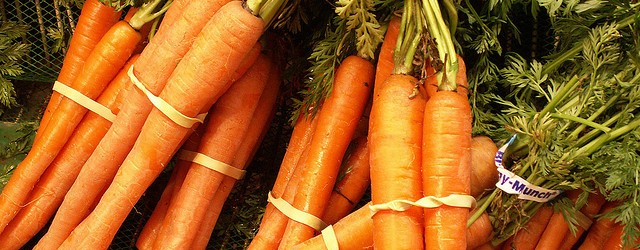
photo credit: Sister72 via photopin cc

Share and Enjoy

  • Facebook
  • Twitter
  • Delicious
  • LinkedIn
  • StumbleUpon
  • Add to favorites
  • Email
  • RSS
How to Get Rid of Tummy Tuck Scars

How to Get Rid of Tummy Tuck Scars

A tummy tuck is a highly effective procedure for improving the contour of your abdomen and achieving an attractive midsection. During a tummy tuck, excess fat and skin are removed, stomach muscles are tightened up, and the whole abdominal area is smoothed and slimmed. However, most surgical procedures do leave scars, and scarring after a full tummy tuck scar can be quite extensive, running the length of your bikini line – often all the way from one hip to the other. A “mini tummy tuck” leaves a much smaller scar, but unfortunately not all women are candidates. If you are unhappy enough with the appearance of your tummy to seek a tummy tuck, then the scar left behind, which is easy to hide, will probably be a trade-off you will be happy to make. However, that doesn’t mean you won’t want to do everything you can to minimize the scar’s appearance.

One of the most important ways to minimize the appearance of your scar starts before your surgery ever takes place. You should stop smoking for several weeks before your surgery (most doctors advise at least 4-6 weeks), and refrain from smoking for at least 6 weeks after the procedure to maximize oxygen flow to the area and encourage healthy healing. Another way you can help prevent excessive scarring is by avoiding infection after your surgery. Infection will most likely worsen the final appearance of your scars, so keep the incision scrupulously clean and follow all of your doctor’s instructions for aftercare.

Once your scar begins to heal, there are some things you can do to promote the thinning, fading, and softening of the scar. A gel product containing silicone can help, as silicone has known scar-healing effects. For best results these products should be used regularly. The earlier you start using these products (once cleared by your doc), the better the results are likely to be – but even if you do not start using silicone early on in the recovery process, it can still have a remarkable effect on your scar, especially if it starts to become more firm or raised over time.

You can also choose a silicone gel that contains other ingredients known to improve the look of scars. Vitamin C and licorice, for example, have been shown to be helpful in fading dark scars. You can apply some of these ingredients topically in a scar treatment, and you can also consume certain “scar helper” nutrients in your diet, like vitamin C, vitamin A, zinc, and protein.

A healthy diet will go a long way towards helping heal your scar more quickly, too. Look for foods with high concentrations of vitamins A and C, zinc, and protein. Citrus fruits, strawberries, broccoli, and peppers are all high in vitamin C; you can look for vitamin A in produce such as sweet potatoes, carrots, and cantaloupe. Zinc can help your skin heal and may help prevent bacterial infection; you can find it in seafood, spinach, nuts, and beans. You probably know to look to meats for protein, but you can also find this helpful ingredient in eggs, beans, tofu, and dairy products like cheese and milk.

Realize that your tummy tuck scar will never completely disappear, but that taking steps to minimize its appearance can make a huge difference in rendering it far less noticeable, thereby maximizing the beautiful result you wanted from your tummy tuck to begin with.

Subscribe to Scars and Spots to get our posts delivered directly to your inbox!

Share and Enjoy

  • Facebook
  • Twitter
  • Delicious
  • LinkedIn
  • StumbleUpon
  • Add to favorites
  • Email
  • RSS
3 Fall Recipes That Promote Scar Healing

3 Fall Recipes That Promote Scar Healing

Fall is in the air, and the food you were too hot to eat (and cook) all summer suddenly regains its appeal when temperatures outside begin to drop. Fortunately, many of Fall’s best comfort foods are loaded with healthy, scar-healing ingredients. Here are three super easy and delicious recipes that all contain ingredients that make a big difference with your scar healing.

Classic Slow-Cooker Beef Stew

Beef contains the protein and zinc you need; the carrots and potatoes are good sources of vitamins A and C. This simple and delicious stew will fill your house with a warm, inviting smell as it simmers away in your slow cooker.

  • 2 pounds beef stew meat in 1-inch cubes
  • ¼ cup all-purpose flour
  • ½ teaspoon salt
  • ½ teaspoon black pepper
  • 1 clove garlic, minced
  • 1 bay leaf
  • 1 teaspoon paprika
  • 1 teaspoon Worcestershire sauce
  • 1 onion, chopped
  • 1.5 cups beef broth
  • 3 potatoes, diced
  • 4 carrots, sliced
  • 1 stalk celery, chopped

Place the meat in your slow cooker. Mix together the flour, salt, and pepper, and pour this mixture over the meat. Stir to coat. Stir in all of the remaining ingredients, cover, and cook on low for 10-12 hours or on high for 4-6 hours.

Turkey-Sweet Potato Shepherd’s Pie

Shepherd’s pie is a fantastic and well-known comfort food, and this version uses turkey and sweet potatoes in place of the traditional beef and white potatoes for less fat and extra vitamins. This recipe is fun to make with a friend – but not difficult to make alone, either.

  • 1.5 pounds sweet potatoes, peeled and cut into 2-inch cubes
  • 2 cloves garlic, halved
  • ¼ cup skim milk
  • ½ teaspoon salt
  • 12 ounces uncooked ground turkey
  • ½ cup chopped onion
  • 1 medium zucchini, chopped
  • 2 medium carrots, chopped
  • ½ cup frozen corn
  • ¼ cup water
  • 1 (18-ounce) can tomato sauce
  • 2 tablespoons Worcestershire sauce
  • ½ teaspoon dried sage, crushed
  • 1/8 teaspoon black pepper

Preheat the oven to 375 degrees F. Cook the sweet potatoes and garlic in lightly salted boiling water to cover for 15 – 20 minutes, until potatoes are tender. Drain, then mash with potato masher. Add milk and salt gradually as you mash until mixture is light and fluffy.

In the meantime, cook the ground turkey and onion in a large skillet until done, and drain if needed. Stir in zucchini, carrots, corn, and water. Bring to a boil, reduce heat, and simmer 5-10 minutes until vegetables are tender. Add the tomato sauce, Worcestershire, sage, and pepper and heat through.

Spoon turkey mixture into 1.5-quart soufflé or casserole dish; spreading to form an even layer. Spoon mashed potatoes on top of turkey mixture in mounds. Bake, uncovered, for 20-25 minutes.

Super Easy Pumpkin Dip

Fall get-togethers just beg for pumpkin recipes. For a major one-two punch of vitamins A and C, try this unique pumpkin dip when it’s time for a sweet treat. Your friends will all want the recipe – which is quick and easy, thanks to canned pumpkin.

  • 6 ounces low-fat cream cheese
  • ½ cup packed brown sugar
  • ½ cup canned pumpkin
  • 2 teaspoons maple syrup
  • ½ teaspoon ground cinnamon
  • Apple slices

To make the dip, beat the cream cheese, brown sugar, and pumpkin with an electric mixer at medium speed until smooth. Beat in the syrup and cinnamon, cover, and chill for half an hour. Serve with apple slices (and gingersnap cookies, for a special treat).

Read: How Nutrition Affects Scar Healing

What is your favorite fall recipe?

Subscribe to Scars and Spots to get our posts delivered directly to your inbox!

Recipes via All Recipes, Better Homes & Gardens, Health

photo credit: mallydally via photopin cc

Share and Enjoy

  • Facebook
  • Twitter
  • Delicious
  • LinkedIn
  • StumbleUpon
  • Add to favorites
  • Email
  • RSS

© 2013-2015 All Rights Reserved -- Copyright notice by Blog Copyright