Benefits of Laser Skin Resurfacing

Benefits of Laser Skin Resurfacing

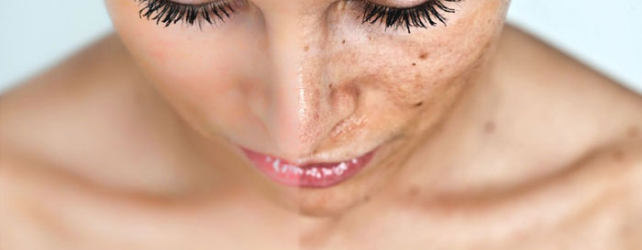
Laser skin resurfacing is one option may people explore when they want to improve the appearance of wrinkles, lines, blotches, or scars caused by acne, too much sun exposure, aging, or other skin damage. Laser skin resurfacing works by removing layers of skin, thereby encouraging the growth of new skin cells and resulting in younger-looking, tighter, and smoother skin. This may be the only procedure done, or it may be done at the same time as other cosmetic procedures.

Specific areas of the skin can be targeted with laser skin resurfacing, such as laugh lines, smoker’s lines, crow’s feet, acne scars, or frown furrows, or the entire face may be treated for the most dramatic results. The procedure is also used in some cases to remove warts, pre-cancerous lesions, benign tumors, and certain skin cancers.

It’s important to understand that this procedure works by first creating a wound, and the skin’s natural healing processes work to form new, fresher-looking skin. During healing, this wound must be cared for like any other wound to ensure the best results.

Read: What Affects Wound Healing?

If you think laser skin resurfacing may be right for you, the first step is to consult a dermatologist or plastic surgeon to discuss your options. If it is determined that you are a good candidate, there are several things you can do right off the bat to ensure that you get the results you want.

First, make sure to follow your doctor’s pre-procedure instructions. He or she will probably counsel you to avoid taking things like ibuprofen and vitamin E, which can affect clotting. You should also avoid smoking, which delays the healing process and exacerbates scarring. In addition, your doctor will probably want you to take an antibiotic, which is important in preventing infection – another factor that affects scarring and final results.

Laser skin resurfacing is typically an outpatient procedure, meaning you will not have an overnight hospital stay. You may receive local or general anesthesia, depending on the extent of the area being treated and your and your doctor’s preferences.

After the procedure some patients need light dressings, but most are just instructed to use topical hydrating ointments instead of true bandages. Generally, after the first day, you will be instructed to clean the treated areas several times a day and apply an ointment to prevent scabs, which worsen scarring. Moisture is an important part of the healing process.

To maximize your results, stay out of the sun or, at a minimum, use sunscreen every time you go outside. A scar treatment can also minimize your risk of developing lasting scars from the procedure and improve your overall result. Choose one that contains ingredients known to be effective and safe, and avoid those that contain questionable ingredients such as hydroquinone.

The skin may take up to three weeks to heal. The skin will typically have a pink appearance that may last for several weeks. This can be easily covered with makeup, but be sure to apply your scar treatment before your makeup, as it does its best work when applied directly to your skin. Swelling is normal and using an extra pillow or two at night to sleep in a more upright position can help.

Laser skin resurfacing is a highly effective procedure and many people who choose it are thrilled with the results. Combine it with an effective scar therapy and impeccable adherence to your doctor’s instructions for younger, smoother, more beautiful skin.

Have a question about your scar? Leave a comment and we’ll be happy to answer.

Subscribe to Scars and Spots to get our posts delivered directly to your inbox!

The information on this site is provided as an information resource only, and is not to be used or relied on for any diagnostic or treatment purposes. Please speak to your doctor to treat any medical condition. Information on this site is not intended to be patient education, does not create any patient-physician relationship, and should not be used as a substitute for professional diagnosis and treatment.
Dangers of Using Hydroquinone to Fade Scars and Hyperpigmentation

Dangers of Using Hydroquinone to Fade Scars and Hyperpigmentation

Hydroquinone has made quite a name for itself around the world in skin lightening creams and scar treatment products. What many people may not realize is that hydroquinone is a harsh chemical that exposes you to many dangers.

Hydroquinone is a chemical that inhibits melanin, which is what gives your skin its color. Areas of the skin that have become darker than the surrounding skin – from sun exposure, freckles, acne, or melasma, for example – are often treated with products containing hydroquinone by well-intentioned and hopeful people. Unfortunately, hydroquinone is associated with many health risks, and many people end up disappointed with its results, or worse.

Toxicity
One major problem is that hydroquinone is known to be quite toxic in high concentrations. It is believed by experts to have carcinogenic properties, and it is known to contain mercury, which can cause liver damage as well as other health problems. Other side effects of hydroquinone can include nausea, ringing of the ears, cyanosis, and seizures.

Ochronosis
Ochronosis, a disfiguring skin condition characterized by thickening and discoloration, is believed to be caused by hydroquinone use in some cases, and the chemical has also been implicated in cases of increased pigmentation. That means that using hydroquinone could very well yield the opposite of the effect you are hoping for – darkening and worsening of your scar or dark spot rather than lightening and fading. The highest risk of ochronosis is found in people with darker skin tones.

Photosensitivity
Hydroquinone can also cause increased photosensitivity, meaning that it can make your skin more sensitive to sunlight. Using hydroquinone on skin that is already sunburned or otherwise irritated can worsen the condition; also, prolonged sun exposure while using hydroquinone can result in severe sunburn. Besides the pain and health risks associated with sunburn, it can also worsen the appearance of scars, sometimes permanently.

Allergic Reactions
Many people who use hydroquinone also have allergic reactions to the chemical. Severe burning, stinging, tingling sensations, hives, trouble with breathing, and throat and mouth swelling have all been reported by hydroquinone users. The appearance of any of these symptoms when using hydroquinone should be considered a medical emergency and evaluated by a doctor at once.

Some countries have banned hydroquinone altogether, citing worries over its safety. Even in the United States, where it is currently legal at limited concentrations, the FDA admits that it cannot be ruled out as a carcinogen and is considering a ban on hydroquinone in over-the-counter preparations because of the safety concerns. Because of all of the health risks of using hydroquinone, in addition to the fact that it may actually worsen, rather than improve, your skin condition, hydroquinone is not recommended for use on scars or dark spots. Instead, choose products containing ingredients that are known to be both safe and effective, such as dimethicone silicone to improve the appearance of your scar, and licorice extract and Vitamin C to fade the dark coloring. Also incorporate healthy and natural lifestyle changes that help your skin heal and your scars fade, such as eating a healthy diet, and getting plenty of exercise and sleep.

Do you have a question about your scars? Leave a comment and we’ll be happy to help.

Subscribe to Scars and Spots to get our posts delivered directly to your inbox!

Does Licorice Extract Get Rid of Scars?

Does Licorice Extract Get Rid of Scars?

Grown mainly in southern Europe and China, “licorice” means “sweet root.” This perennial plant grows up to five feet tall with a vertical root. Licorice is not difficult to grow, but it takes several years before the roots can be collected. The main ingredient in licorice is actually a sweetener which is many times sweeter than sugar.

Licorice may not be the first thing that comes to mind when you think about scar treatment, but in fact, licorice is excellent for lightening hyperpigmentation, melasma, and dark scars and evening out skin tone. Licorice has natural properties that allow it to reduce dark spots and diminish the appearance of scars, and it has the added benefit of being a natural ingredient that carries none of the health risks of chemicals such as hydroquinone.

Licorice is often used in traditional Chinese medicine to harmonize ingredients in herbal formulas. Scars, uneven skin tone, and dark spots caused by acne or sun exposure can all be greatly improved by using a product that contains licorice extract. Licorice extract is a highly effective, safe, and natural ingredient which may prevent the need to resort to more drastic measures such as laser skin resurfacing.

Licorice contains several components which have positive skin effects. Due to its makeup, licorice is effective at skin brightening and lightening, improving acne, and oil production regulation, as well as having antibacterial and antioxidant properties. This versatile extract is also a strong anti-inflammatory agent.

Licorice extract works to fade hyperpigmentation by inhibiting melanin activity, thereby producing whitening of the skin. However, skin whitening is just one of licorice’s beneficial properties. It has also been found to have sunscreen-type properties that help protect against harmful UV rays and reduce skin sensitivity. This keeps skin looking younger and helps minimize or prevent hyperpigmentation or scar worsening. Licorice is also safe for sensitive areas because it is a natural, gentle ingredient.

Another condition for which licorice extract can be used is melasma, which causes patches of dark pigmentation on the face. This discoloration is typically seen in pregnant women or in women who have recently given birth; it can also be caused by certain drugs such as hormonal contraception, some antibiotics, or even anti-malarial drugs. Melasma may be transient or it may persist for years – but licorice is an effective remedy.

It is important to understand that most scars cannot be erased completely by any means – most scars are permanent. However, certain products have been shown to have dramatic lightening and minimizing effects on scars, and licorice is one of those ingredients. When applied topically, is has proven skin brightening effects, lightens dark pigmentation, and can reduce the visibility of scars dramatically. When used in combination with other proven ingredients, such as dimethicone silicone, licorice can make a huge difference in how your scar looks and how you feel about your appearance. And given the fact that it is completely natural and safe, this is one remedy you’ll definitely want to try.

Do you have a question about your scar? Leave a comment and we’ll be happy to answer.

Subscribe to Scars and Spots to get our posts delivered directly to your inbox!

Benefits of Chemical Peels

Benefits of Chemical Peels

A chemical peel is a procedure done by a dermatologist. A chemical solution is applied to the face, for the purpose of removing the upper layer of skin cells. A chemical peel accelerates the rate of new skin growth, promotes lightening of pigment, and imparts healthier, more uniform skin. Chemical peels can be combined with skin lightening procedures to maximize results.

Chemical peels have several benefits. First of all, they reduce wrinkles. The procedure separates and removes the top layers of skin to reveal the smoother, younger-looking skin below. A peel may also stimulate your skin to produce more collagen, which will promote fewer wrinkles and a younger-looking complexion.

Acne scarring is also affected by chemical peels. The peel gets rid of dead skin cells, which results in an evened-out texture. Acne scars, freckles, sunspots, and other discolorations are greatly improved by chemical peels. Chemical peeling is a quick and simple procedure with a short recovery time.

Types of Chemical Peels
There are several different types of chemical peels; you and your dermatologist should discuss them and choose the one that suits your individual needs best.

Alpha hydroxy peels typically use glycolic acid to reduce the appearance of fine lines and smooth out rough skin. This is a mild peel, so while it probably won’t require any anesthetic, it will require a series of treatments to achieve the desired results.

Beta hydroxy peels use salicylic acid to treat very acne-prone skin. This type of peel is deeper than an alpha hydroxy peel and offers more striking and longer-lasting results. It is still a mild peel, though, and usually does not require anesthetic and may still require a series of treatments.

Jessner’s peels use a combination of ingredients that form a stronger solution than the alpha or beta hydroxyl peels. These peels require a recovery time of about a week, but do not require anesthetics.

TCA peels use trichloroacetic acid to treat many skin imperfections, such as sun damage, wrinkles, and acne scarring. Anesthetic may not be required during the procedure, but over-the-counter pain medications can be taken for the following day or two to reduce stinging. The recovery time is about a week, and the results are dramatic.

Phenol peels provide the most dramatic results of all. This peel can not only treat visual imperfections, but may also be used to remove precancerous growths. This is a more involved procedure which requires local anesthesia during the procedure and pain medication after. Recovery time can be up to a month, but many people find that the results are well worth it.

Special Considerations
Your dermatologist may advise you to apply certain products to your skin for several weeks before your treatment to exfoliate your skin and maximize the effects of the peel. In addition, a silicone gel can help your skin post-peel. This works by promoting collagen and lipid production, helping to moisturize and heal your skin. Silicone gels may also help reduce hyperpigmentation and significantly enhance the results of the procedure. Be sure to use sunscreen after a peel, as your skin is likely to be much more sensitive to sunlight. Ask your dermatologist about recommended aftercare.

Subscribe to Scars and Spots to get our posts delivered directly to your inbox!

Melasma Treatment: How to Fade Hyperpigmentation

Melasma Treatment: How to Fade Hyperpigmentation

Brown patches of skin that can appear on the face are known as Melasma. While the exact cause is unknown, it is more prevalent in women than men. There are many common triggers, such as the use of birth control pills, pregnancy, and certain medications that have been known to increase the skin’s sensitivity to the sun. Certain topical treatments are helpful in fading these types of spots. In some cases, a patient may have to experiment with various treatments before they find the one that works for them and is the most effective in treatment.

Treatment Time Frame

When topical treatments are used, it will require an exercise in extreme patience. For improvement to be noticeable, it may take several months of consistently using a topical Melasma treatment as directed. If a patient is working with a dermatologist, it is very important to make sure the directions for treatment are strictly followed in order for the maximum benefits to be received. This way results can appear much sooner instead of later.

The Importance of Sunscreen

When it comes to the treatment of Melasma, it is very important for the skin to be protected from the sun. Even if you are using topical medications or any other regimens the use of sunscreen is crucial to the success of the treatment. Exposure to the sun will weaken the effects of creams made for fading. Your skin’s sensitivity to the sun is increased by the different ingredients used in Melasma treatments, as well. Melasma can worsen if inadequate protection from the sun is an issue. Sunscreens that contain titanium dioxides and zinc with an SPF of 30 are recommended to offer full protection from the damaging rays of the sun.

Commonly Used, But Harmful Ingredients

One of the most common treatments for Melasma is the use of a bleaching agent known as hydroquinone. There are non-prescription versions available that contain approximately two percent, but prescriptions offer concentrations that are as high as four percent. However, this type of treatment doesn’t come without risk. Patients using hydroquinone can experience darkening of spots and a bluish hue developing on the skin. Hydroquinone can also lead to a condition called ochronosis, even when it is bought over-the-counter. This is permanent hyperpigmentation with sooty darkening of the skin. Ochronosis may also cause loss of skin elasticity and impaired wound healing. Other side effects include contact dermatitis (rash, redness, itching and flaking) and nail discoloration.

Kojic acid is a very popular ingredient in products of Asian skin lightening. Like hydroquinone, kojic acid is effective in lightening dark scars, brown spots and even Melasma. Unfortunately, some studies suggest that skin exposed to kojic acid on a regular basis becomes more sensitive. Skin sensitization is bad because it can lead to allergic contact dermatitis.

Treatments that are known to be the most effective will combine agents for skin lightening and exfoliating agents such as vitamin A and glycolic acid. Prescriptions creams that contain topical steroids, as well as other ingredients have been able to produce dramatic results. These agents are known as kojic acid, salicylic acid, extract of licorice, vitamin C, lactic acid, and azeleic acid.

Safe and Effective Ingredients

One of the most effective, and safe, ingredients to use to fade Melasma are products that contain a stable form of Vitamin C (L-ascorbic acid.) How do you know if it is stable? If your Vitamin C turns brown, then it has essentially oxidized and thus no longer effective. To disguise this oxidation, many Vitamin C skin care products are colored brown or dark yellow to begin with. Vitamin C in its stablest form is a powerful anti-oxidant that will help prevent further skin damage, while safely lightening dark spots like Melasma.

As with any skin treatment, in order for the desired results to be achieved, the application of Melasma-fading products have to be used on a regular schedule for a length of time. Have patience, be consistent and you will see results!

Do you have Melasma?

Subscribe to Scars and Spots to get our posts delivered directly to your inbox!