Most people equate the word “ultrasound” with fetal imaging. Indeed, one of the most common applications of ultrasound technology is allowing a pregnant woman to see her unborn child, know its gender ahead of time, or learn other things about a pregnancy.
However, while ultrasound technology is probably most often used for fetal imaging, it can serve several other valuable applications as well—including, believe it or not, scar therapy.
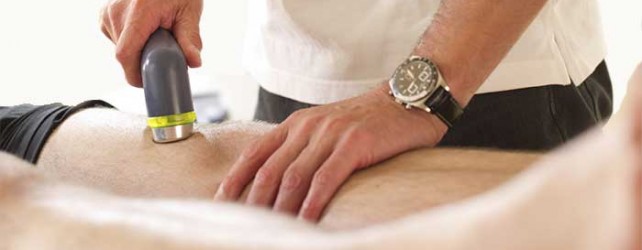
A “therapeutic ultrasound” is a type of ultrasound that utilizes ultra-high sonic frequencies as an aid in the healing of wounds or other injuries. When an ultrasound probe covered in a gel is touched to a wounded area, the probe transfers high-frequency vibration into the tissues at that site. These vibrations can relax the local tissues and direct extra blood flow into the area, which can in turn help to relieve pain and speed up healing.
Why Therapeutic Ultrasounds Are Good for Scars
It is important to note that therapeutic ultrasound technology can have positive effects on many different kinds of injuries. Chronic back pain, muscle sprains or strains, pain in the tailbone, joint issues (including certain types of arthritis), and more. With injured or arthritic joints, the increased blood flow provided by a therapeutic ultrasound can actually assist in collagen reformation. The positive effects of therapeutic ultrasound, in other words, are versatile and far-reaching.
In scar therapy, a therapeutic ultrasound might be used for the purpose of scar tissue breakdown. Previously injured tissue can lose its elasticity as scar tissue grows back in its place—a phenomenon that isn’t only limited to skin, but which also occurs in muscles, tendons, and other body tissues. This more hardened tissue can be a significant problem depending on the location of the scar on the body. Since scar tissue is less elastic than the intact skin, it can impair range of motion and overall function in parts of the body that tend to move or flex on a regular basis. Scars on the hands, at joints, or on the face are examples.
Therapeutic ultrasound can help “break down” the fibrous, collagen-rich tissue that forms at the site of scars. The fast vibrations of the ultrasound probe can contribute to making scar tissue more elastic, which in turn can restore range of motion and reduce scar pain or irritation.
Similarity to Scar Desensitization
The effects of this type of therapy, then, are similar to the benefits of scar desensitization—which involves rubbing or tapping scars as they heal to eliminate sensory nerve fibers and ensure more evenly distributed and pliable scar tissue. The main difference in these two forms of scar therapy is that one (scar desensitization) is only efficient during the scar healing process while the other (therapeutic ultrasound) can be effective both during healing and after scar tissue has formed and hardened.
Do you have a question for us? Leave a comment and let us know!
Subscribe to Scars and Spots to get our posts delivered directly to your inbox!


