How Do You Get Rid of Dark Scars?

How Do You Get Rid of Dark Scars?

Getting rid of a dark scar completely may not be possible, but there are effective scar treatments available that can dramatically lighten their appearance. Diet, exercise, lifestyle choices, and medications with certain ingredients can all work to improve the dark color of scars.

Nutrition and Scar Healing

The goal of a scar treatment is to reduce the visibility of the scar, but not all scar treatments are topical. Nutrition is an important part of any complete scar treatment. When the body has the balance of nutrients it needs, it can supply the injured tissue with the right nutrients that help the scar fade and heal. Eating a healthy diet, and possibly taking appropriate supplements, are the only ways to acquire the proper nutrients.

Get Moving

Exercise also helps reduce scarring. When you exercise, you increase blood flow, which helps nourish skin cells. The increased circulation carries nutrients and oxygen to the skin, as well as carrying away waste products, including free radicals. Basically, exercise flushes cellular debris out of the body, effectively cleansing the skin from the inside out. Another benefit of exercise is that it reduces stress, which is thought to improve certain conditions that can be aggravated by stress, like acne. So exercise can both improve the appearance of existing scars and help prevent them from forming in the first place.

Protect Your Skin (and Scars) from the Sun

Don’t be tempted to try to get a suntan to hide a scar. Far from being an effective method of scar healing (or hiding), the sun will often darken or otherwise worsen the appearance of the scar. First of all, scars are much more prone to sunburn than healthy skin. The darkening of a scar caused by too much sun exposure can be permanent. This effect can be even more pronounced in people with darker skin complexions. Using sunscreen, reapplying it often, and wearing protective clothing over the scar can help prevent darkening of scars caused by the sun.

Read: How Does the Sun Affect Scars

Read: Does Tanning Fade Scars?

Don’t Smoke

You’ve heard it before, but it bears repeating when it comes to scar healing. There’s a good reason why plastic surgeons advise you to quit smoking at least a month before any surgery and not smoke at all during recovery. Anytime your skin undergoes cuts, scars are a normal part of the healing process, but that process can be interrupted and the scar worsened by smoking, which reduces oxygen to the area and increases the risk of infection.

Use a Scar Treatment with Proven Ingredients

Sources of Vitamin C have a lightening effect on scars. Silicone is another ingredient to look for, as it has been shown to improve almost all scars significantly. You should avoid hydroquinone, which carries a high risk of irritation or allergic reactions, as well as a possible link with certain types of cancer. A gel containing silicone can be especially helpful because you can wear a concealer over it to further hide the scar while healing is underway.

Subscribe to Scars and Spots to get our posts delivered directly to your inbox!

The information on this site is provided as an information resource only, and is not to be used or relied on for any diagnostic or treatment purposes. Please speak to your doctor to treat any medical condition. Information on this site is not intended to be patient education, does not create any patient-physician relationship, and should not be used as a substitute for professional diagnosis and treatment.
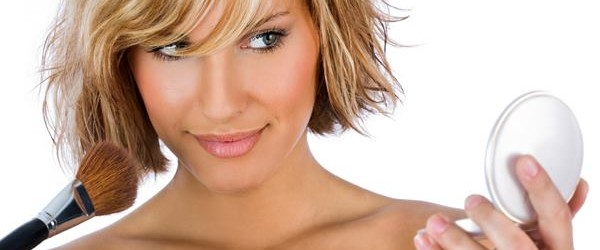
Camouflage Makeup for Scars and Skin Disorders

Camouflage Makeup for Scars and Skin Disorders

Camouflage make-up is the art of covering up imperfections in the skin such as acne scars, and skin discolorations such as white patches on the skin, dermatitis that reddens the skin, and surgery scars. It’s also called medical make-up, corrective camouflage make-up or camouflage make-up.

In an Italian study, dermatologists had a lot of compassion for those with scars from acne and surgery or trauma as well as those with skin disorders, and wanted to see if they could make a difference in how children and adolescents viewed themselves if they used corrective camouflage make-up.

They worked with 15 children between the ages of 7 and 16 and their parents and taught them all how to use corrective concealers to improve their skin and scar appearance. Six of the children had acne vulgaris which can cause pitting of the skin or red scars.

The type of concealers used were water-resistant camouflage concealers. They were light to very opaque in color. The concealers and make-up were the same ones used during medical treatment and the same ones recommended by doctors after surgery during the healing process.

The parents of all the patients were thrilled with the ability of the camouflage concealers to improve their child’s appearance. The dermatologists at the Dermatology Clinic at the University of Catania in Italy were so happy with the results that they mentioned in their report that this type of ‘treatment’ should be used during long-term treatment and in those who don’t get results from conventional medical therapy.

In another study, a nurse offered a make-up lesson to 86 patients who might benefit from concealing scars and discolorations on the skin. There were 25 patients of the 86 who had acne, 10 with rosacea, and 14 with scars in the study. The rest had other skin disorders. The patients applied make-up at home daily for a month.

Those with acne and scars had the highest improvement in quality of life scores. And 95% of the patients continued to apply the makeup after the study ended, indicating that they may have wanted to continue experiencing the results.

Always try your best to get the most healing possible in your scars… and then go for the make-up to ‘refine’ your skin to get the best results.

Subscribe to Scars and Spots to get our posts delivered directly to your inbox!

4 Tips for Concealing Acne Scars

4 Tips for Concealing Acne Scars

Concealing acne scars is achievable for an almost flawless complexion by implementing a few tips and tricks.The scars can cause pitting or be slightly raised and give your face the look of anything but soft, smooth skin. Like any scar, acne scars can take time a long time to fade and deep ‘ice pick’ scars never truly go away. (Take our Acne Do’s and Don’ts quiz!)

Most scars do improve and become less noticeable over time. Some fade a lot, others unfortunately only fade a little. As we’ve talked about in other posts about scarring in general, lots of factors come in to play. Since this “maturation process” can take up to 2 years, you won’t know for sure how much your scars will improve until then. In the meantime, there are a few things you can do to improve your chances:

Add a Scar Removal Formula

There are plenty of scar treatments on the market to choose from. Check the ingredients to make sure the ingredients are “skin friendly” and non-comedogenic if possible. Hypoallergenic formulas are the way to go but even these can sometimes cause a break-out. It’s important to make sure you test any new product on a small are of your skin first to make sure you can tolerate it. Some products also contain ingredients (like vitamin C or licorice) that can help fade dark acne marks.

Read: Does Lemon Juice Fade Acne Scars?

Make-Up Concealing Techniques

Dermatologists and doctors are investigating into the benefits of concealing scars with makeup as a way to improve quality of life. In France, 129 patients with various skin diseases, including those with acne scars and acne rosacea, were taught how to use make-up to conceal and “correct” their complexion. They applied the camouflage make-up techniques learned directly from a cosmetician for a month.

There were no negative side effects and nothing bad to report from using the corrective concealer and make-up. All patients looked significantly better in their skin appearance and they reported their quality of life improved significantly.

This new area of investigation is called medical corrective make-up, corrective camouflage make-up, and camouflage make-up.

Know the Expert Make-Up Tricks

When using make-up to conceal scars, different make-up artists use slightly different techniques. Here’s a chart on the concealer colors that are used most often to hide different colors of scars.

Color of the Scar Color of Concealer to Use

Red scar Green concealer

Pink scar Green concealer

Brown scar Yellow concealer

Purple scar Yellow concealer

White scar Regular makeup

You can purchase different color concealers from various make-up companies.

Use Make-Up Layering Techniques

When using make-up to conceal acne scars, use layering techniques. Here’s a suggested routine to use:

    1. First use your scar removal formula. Having this closest to the skin makes sense as you want as much healing to occur in the skin.
    2. Next cover the acne scars with the colored concealer.
    3. Then use a make-up base color that matches your skin tone.
    4. Finally, follow the color concealer chart above to find a concea few shades lighter than your regular skin tone to dot on top of the acne scars for the final layer of acne scar cover-up.

Now look in the mirror. You’re looking great! Tips from the experts really help!

Subscribe to Scars and Spots to get our posts delivered directly to your inbox!

Have you purchased InviCible Scars risk-free yet?