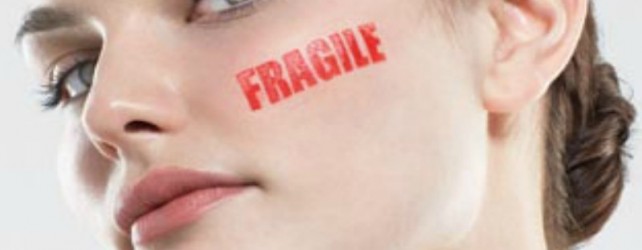
Skin Care Tips for Acne Prone Skin

Skin Care Tips for Acne Prone Skin

Blemishes that seem to appear out of nowhere can be stressful. Individuals with a complexion that is prone to acne have likely tried every fad on the market to try to abolish it or diminish its appearance. If you face this problem on a regular basis, it is time to adjust the way you handle your complexion and follow some new rules for skin care.

Skin problems such as acne occur because of many factors. Your nutrition, your genetics, and even the weather can all play a role in your skin type and potential for acne. To keep your skin in a state of healthy condition, you should transition to a new skin care routine as soon as possible. This will decrease the chances of a breakout, clogged pores or even dry skin. There are many things that can be done to increase the health of one’s skin, and we’ve listed a few below:

Keep Your Hair Away From Your Face
You may be surprised to know that having your hair touching the sensitive skin on your face can be just as damaging as using skin care products that are inappropriate for your skin type. Those with an over-production of sebum at the scalp may find that their greasy hair strands are also contributing to clogged pores on the skin every time it comes into contact with it. Some ways to combat this is to wash your hair less frequently, as this helps balance out sebum production, and to use a weekly scalp treatment.

Hands Off!
Throughout the day you touch your face, either due to anxiety, adjusting your makeup or simply out of habit. However, this is a very bad habit for those who are prone to acne. Bacteria picked up by your hands can be transferred to your face. This occurs as you touch handles on doors, hard surfaces, your cell phone or other items. If you absolutely must touch your face, be sure to wash your hands before doing so. Additionally, squeezing pimples, white heads or picking scabs from acne should be avoided at all costs, as it damages the skin and may result in acne scars or further hyperpigmentation. Again, your dirty hands could result in further infection of your skin!

Get Plenty of Rest
The way you sleep can influence the state of your health and the condition of your skin. There may be nothing more damaging to your skin than a sleepless night. Your body needs time for recovery from the daytime activities that can exhaust you. In addition to your body recooperating each night, it’s best to change pillow cases frequently (if not daily, every few nights will do.) Your pillow case is a breeding ground for bacteria.

Wash Your Face
Which leads us to our next tip - washing your face before bed is a necessity! It removes the dirt and grime from the day, and if you are a woman, it removes all of the pore clogging makeup.

Read: Acne Do’s and Don’ts

Use Products for Your Skin Type
When you use skin care products appropriate for your skin type, it should balance your skin. If your skin remains oily or overly dry, then chances are, your skin care products are wrong for you. The wrong skin care products = problem skin. Don’t forget that toners, exfoliating the skin at least once a week and serums are a must!

Relaxation
You are more likely to have an outbreak of blemishes when you are under high amounts of pressure. To help reduce the appearance of acne, you must reduce the level of stress that you experience. You should also try to relax as often as you can. You can slow down the development of acne by using breathing techniques that will help to calm your nervous system.

Subscribe to Scars and Spots to get our posts delivered directly to your inbox!

The information on this site is provided as an information resource only, and is not to be used or relied on for any diagnostic or treatment purposes. Please speak to your doctor to treat any medical condition. Information on this site is not intended to be patient education, does not create any patient-physician relationship, and should not be used as a substitute for professional diagnosis and treatment.

What is Post Inflammatory Hyperpigmentation?

What is Post Inflammatory Hyperpigmentation?

Post Inflammatory Hyperpigmentation is a type of condition that happens when the melanocytes, which produce pigment, create an abundance of melanin. Dark spots that are black or brown in color will begin to develop where lesions from acne once were. Anyone who has this condition will likely be very disturbed and frustrated.

The condition of Post Inflammatory Hyperpigmentation is not just something that only people with acne can contract. It can also result from certain medications, allergies, certain types of skin infections, burns, and some diseases of the skin. People who have acne can contract this condition through reactions from some medications to treat acne.

Read: Does Lemon Juice Fade Acne Scars?

One of the most common acne treatments is known as benzoyl peroxide. It can cause skin irritations that can move to pigmented areas of the skin. Statistics show that one in 20 people experience sensitivity to benzoyl peroxide. This sensitivity can result in further skin irritations developing and leading to Post Inflammatory Hyperpigmentation. This is especially true in those that are dark skinned.

Today many doctors prescribe retinoids for the treatment of acne in patients. Some people will experience moderate to severe skin irritation with this product use. This can predispose those patients to Post Inflammatory Hyperpigmentation. Because people with high pigment in their skin are at such a risk, many doctors will not even consider prescribing retinoids for those patients. In some cases, retinoids can be used to treat pigmentation inflammatory cases, but not very often.

When retinoids are the cause of pigmentation issues, they may go away when they are stopped. In cases of hyperpigmentation that is a result of acne treatments, this is not necessarily the case. In any case, the first step is to immediately stop whatever type of treatment is causing said irritation. Secondly, begin wearing a high SPF sunscreen to protect the skin from further damage from the harsh rays of the sun. Hyperpigmented skin has two enemies: ultraviolet light and irritation.

Read: How Does the Sun Affect Scars?

Some physicians may recommend a treatment with hydroquinone, which is a topical cream that can lighten the pigmentation by a reduction in pigment production. However, hydroquinone does not come without additional problems or issues. In some animal studies it has been known to increase the risk of certain types of cancer. Some patients have reported that after long-term use they have experienced darkening of the skin instead of lightening. The preservatives in hydroquinone cause some people to have allergic reactions. It is advised that if you are a user of hydroquinone, it is best to apply a very small amount to the area that is pigmented only.

To hide pigmented areas until they can lighten, it is recommended that a good concealer be used. The lightening could take up to a year. Some other treatments for Post Inflammatory Hyperpigmentation would be glycolic acid and chemical peels. Before any treatments are implemented it is a good idea to schedule a consultation with a dermatologist. This way you can be advised on the appropriate treatment for any condition.

Subscribe to Scars and Spots to get our posts delivered directly to your inbox!

What Improves Acne Scars?

What Improves Acne Scars?

They say, “acne is something every normal teenager has to go through.” When they promised that it’s just part of growing up and actually stops when you reach adulthood, it appears they weren’t actually telling the truth! Some of us continue to get acne well into adulthood. To make matters worse, some acne lesions can leave unsightly dark marks or scars for the rest of your life. Thankfully there are ways to remove acne scars and improve your skin complexion at the same time.

Take our quiz: acne do’s and don’ts.

Treat the acne
The best treatment for most conditions is prevention. First and foremost treat the acne. There are several tried and tested topical therapies to choose from. Some acne suffers also benefit from oral antibiotics. Diet modification is also crucial. Consulting with a dermatologist is a good idea to learn about all the latest options. While you let the treatment work, keep your hands off your skin as much as possible and resist the temptation to pick. Picking only leads to more inflammation and scarring.

Read: Does lemon juice fade acne scars?

Hydrate, hydrate, hydrate
While you try to ride out the acne keep your face clean, hydrated with topical moisturizers and drink lemon water. Lemon water flushes out the toxins and many people think it helps your acne to heal faster. Some acne medications can dry out your skin so it’s advisable to moisturize the skin as well. Always use non-comedogenic, water-based, hypoallergenic products as these are the most “skin-friendly.”

Topical treatments
New acne scars are easier to treat as they tend to respond more readily to scar treatments than old ones. One of the best scar treatment ingredients to look for is Vitamin C. Stable forms of vitamin C encourage healthy skin renewal and help fade scars. Some forms of vitamin C, like tetrahexyldecyl ascorbate, also help fade dark acne marks. Dimethicone silicone can also help improve the appearance of acne scars and improves skin hydration by decreasing water loss from the skin. Dimethicone silicone is considered non-comedogenic, but please try a test spot first….like almost anything, it can still cause a break out in some people.

Laser
Laser treatment is often recommended when topical scar treatments haven’t worked well enough. This treatment is particularly appropriate for the most severe cases of scarring. The laser removes the top scarred layer of skin and allows this to be replaced by a fresh layer of more healthy skin. With this procedure, the new scar will become less noticeable with time. Unfortunately severe cases of scarring often need more than one or two laser treatments and can also be expensive.

Read: What are the different types of acne scars?

Subscribe to Scars and Spots to get our posts delivered directly to your inbox!

Camouflage Makeup for Scars and Skin Disorders

Camouflage Makeup for Scars and Skin Disorders

Camouflage make-up is the art of covering up imperfections in the skin such as acne scars, and skin discolorations such as white patches on the skin, dermatitis that reddens the skin, and surgery scars. It’s also called medical make-up, corrective camouflage make-up or camouflage make-up.

In an Italian study, dermatologists had a lot of compassion for those with scars from acne and surgery or trauma as well as those with skin disorders, and wanted to see if they could make a difference in how children and adolescents viewed themselves if they used corrective camouflage make-up.

They worked with 15 children between the ages of 7 and 16 and their parents and taught them all how to use corrective concealers to improve their skin and scar appearance. Six of the children had acne vulgaris which can cause pitting of the skin or red scars.

The type of concealers used were water-resistant camouflage concealers. They were light to very opaque in color. The concealers and make-up were the same ones used during medical treatment and the same ones recommended by doctors after surgery during the healing process.

The parents of all the patients were thrilled with the ability of the camouflage concealers to improve their child’s appearance. The dermatologists at the Dermatology Clinic at the University of Catania in Italy were so happy with the results that they mentioned in their report that this type of ‘treatment’ should be used during long-term treatment and in those who don’t get results from conventional medical therapy.

In another study, a nurse offered a make-up lesson to 86 patients who might benefit from concealing scars and discolorations on the skin. There were 25 patients of the 86 who had acne, 10 with rosacea, and 14 with scars in the study. The rest had other skin disorders. The patients applied make-up at home daily for a month.

Those with acne and scars had the highest improvement in quality of life scores. And 95% of the patients continued to apply the makeup after the study ended, indicating that they may have wanted to continue experiencing the results.

Always try your best to get the most healing possible in your scars… and then go for the make-up to ‘refine’ your skin to get the best results.

Subscribe to Scars and Spots to get our posts delivered directly to your inbox!

Does Lemon Juice Fade Acne Scars?

Does Lemon Juice Fade Acne Scars?

Lemon juice is known for its bleaching properties. And if you’re someone who likes to use nature’s remedies, you may have wondered whether or not you could use lemon juice to fade acne scars.

If you’ve been searching online for how to fade acne scars, you probably already found websites that included testimonials from people who tried lemon juice for this purpose. Does it work? If so, how would it work? Is it the best solution? Is lemon juice good for anything else?

Lemon juice and other citrus fruits are full of all types of medicinally active substances. Besides vitamin C, citrus fruits contain limonene, alpha-hydroxy acids (AHA), hesperidin, quercetin, naringenin, and others. And these components are quite active when it comes to the application on skin.

In one Chinese study, a citrus extract was found to be beneficial for a red scar. The scientists determined that the extract worked on the scar by preventing extra cell growth in the scar and degrading the collagen buildup of the scar.

The essential oil of lemon allows vitamin E, vitamin C, vitamin B6 and vitamin A to penetrate the skin better for healing, according to Italian researchers. They also found anti-inflammatory actions in skin from citrus fruits. This is potentially good for acne scars.

When citrus extracts were examined for their flavonoid content, scientists found that a flavonoid called hesperetin protected the skin against damage from the sun and the accumulation of melanin pigments. Another good thing about citrus for the skin.

And Florida researchers found that a citrus blend was able to fade the reddish purple marks called senile purpura by 50%. The lemon and other citrus oils and compounds lived up to its reports as a bleaching agent. Japanese researchers have used citrus fruits in skin whitening cosmetics for quite awhile.

All these are great effects, but you still have to think of the bottom line for your acne scars. Lessening scars is good but it’s not complete enough for the healing. You do want total healing of the scars, right? For the complete healing, there’s nothing as effective as dimethicone. Scientists and doctors agree on this one fact.

Have you tried lemon juice on your acne scars?

Subscribe to Scars and Spots to get our posts delivered directly to your inbox!

Have you purchased InviCible Scars risk-free yet?

photo credit: Nina Matthews Photography via photopin cc