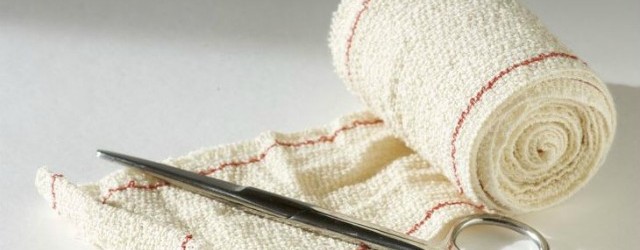
How to Bandage a Wound

How to Bandage a Wound

When you have an accident or undergo a surgery, you will be left with a wound to your skin. In order to prevent the wound from causing a larger scar, you need to properly handle how you initially care for it. During the healing stage of the wound, you should keep the area moist by applying an anti-bacterial cream like Neosporin and keep a bandage on the wound to promote the healing of the skin. For the best results, you’ll want to ensure to bandage the wound properly by adhering to the following steps.

Clean The Wound

Before you put on a bandage, you always want to have a clean wound, especially when you initially get hurt. You will want to wait for any bleeding to stop by pressing a clean cloth or piece of gauze to the wound. Then, you should gently clean it with water, although you can also use a saline solution. You want to make sure there is no debris left in the wound. It is OK to use hydrogen peroxide once when cleaning out the wound, but don’t use it again as it will kill the good skin cells along with the bacteria.

Keep The Wound Moist

Before you apply any type of bandage, you should put an anti-bacterial cream on new wounds. This keeps the wound moist, which enhances the natural healing of the wound. It also prevents the bandage from sticking to the wound, which could end up causing more injury when you remove it.

Dress The Wound

You want to use only clean and sterile dressing and bandages. For small wounds, you can use band-aids, but larger wounds may require a larger bandage. If you are making your own bandage, you start with clean gauze or dressing. You cut a piece that covers an area slightly larger than the wound and fold it in half. Then, use medical tape on all four sides of the dressing to keep it securely in place. You want to use medical tape because it will be easier to remove from your skin, while also providing a strong adhesion.

Apply the Bandage

Once the wound is dressed, it is time to apply the bandage around it. This provides extra protection, especially for wounds that are deep and serious or on areas of the body that are difficult to bandage, such as elbows, shoulders, or knees. You can use a cloth strip or ace bandage to cover the area. If you are bandaging a joint area, such as the elbow or knees, you’ll want to cover the area above and below the joint as well to keep it in place. Cover the dressing completely, wrapping the bandage around the area of the body. However, do not wrap the bandage too tightly. Once you have covered the wound, you should secure the bandage using metal clips, safety pins or tape.

You should redress a wound at least once a day. If the dressing becomes wet or dirty, you should always put on a fresh bandage. If you notice the wound is not healing well or it looks infected, be sure to see a doctor. Once the wound has healed, then you can concentrate on reducing the appearance of the scar, including using InviCible Scars.

Have a question about your scar? Leave a comment and we’ll be happy to answer!

Subscribe to Scars and Spots to get our posts delivered directly to your inbox!

Share and Enjoy

  • Facebook
  • Twitter
  • Delicious
  • LinkedIn
  • StumbleUpon
  • Add to favorites
  • Email
  • RSS
What is Excoriation Skin Picking Disorder?

What is Excoriation Skin Picking Disorder?

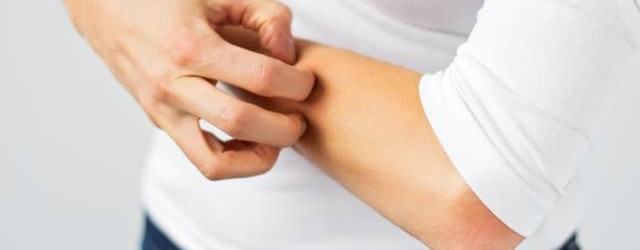
Almost everyone picks at their skin or scabs at some point. However, some people have a serious condition known as excoriation, or skin picking disorder, that goes above and beyond occasional picking of scabs. People with the disorder can pick at their skin, especially around the nails, or any scabs to such an extent that it causes sores, bleeding and scars. Skin picking disorder can be a serious mental health condition requiring treatment in order to overcome, and is associated with obsessive compulsive disorder (OCD).

What are the Symptoms?

Some people develop this disorder as a way to remove a perceived imperfection on the skin. They will scratch and pick at their skin until it causes injury and a wound. Other people develop the disorder due to a nervous habit of picking at their skin, although for some people this nervous habit does not cause problems. To be diagnosed with the condition, the skin picking must be disruptive to a person’s life, either personally or professionally. Some people with the disorder avoid places because of the scars or wounds, or they spend a significant amount of time covering up the sores or scars before going out. They also feel upset about how often they pick at their skin.

How Does the Disorder Develop?

Excoriation can develop in a few different ways, but it can happen to anyone at any age. For some people, it begins when they get a rash, small injury or skin infection that causes a scab. The person picks at the scab or rash, which then causes more injury and leads to a continual cycle of picking and continued injury. It can also develop during stressful times, becoming a stress relief habit. This habit can become a compulsive behavior, which is why it is classified as a disorder related to OCD.

How Can it Cause Scarring?

Skin picking disorder can cause scarring because of the repeated injury to the skin. When the skin undergoes trauma, it acts quickly to heal itself. The rapid growth of new skin cells can cause scarring, as can the damaged cells. When the skin is repeatedly injured through being picked, it does not have the chance to heal appropriately. The continual damage to the skin cells causes the area to appear differently and increases the risk of scarring.

How Can it be Treated?

Skin picking disorder is typically treated with therapy – especially cognitive behavioral therapy – and possibly medication, typically SSRIs (selective serotonin reuptake inhibitors). The two main types of psychotherapy used on this disorder are habit reversal training and stimulus control. Habit reversal training helps a person understand the triggers for the skin picking and then provides the person with alternative, healthier habits. Stimulus control prevents skin picking by altering the environment to avoid skin picking. This could be wearing gloves, wearing band-aids, or covering mirrors.

If you believe that you or someone you know might have skin picking disorder, it is best to seek help from a professional to work on the underlying issues that contribute to the condition. Even if you do not have the disorder, you should be very careful not to pick your skin, as this can lead to further damage and scarring.

Subscribe to Scars and Spots to get our posts delivered directly to your inbox!
Share and Enjoy

  • Facebook
  • Twitter
  • Delicious
  • LinkedIn
  • StumbleUpon
  • Add to favorites
  • Email
  • RSS
Do These Skin Lighteners Work?

Do These Skin Lighteners Work?

Many people try to find the perfect skin lightener to help fade unsightly scars, but are faced with a dilemma as they try to determine which products on the market actually work. Additionally, you have to be careful about using some of the products out there that are slightly effective, yet dangerous. Before you choose a scar treatment to reduce the look of your scars or dark spots, you should know more about the different ingredients. Some of the most common treatments for skin lightening, include lemon juice, hydroquinone, kojic acid, and vitamin C.

Lemon Juice on Acne Scars

Lemons are truly a versatile citrus fruit, with a variety of health, beauty and home cleaning uses. Lemons contain vitamin C, limonene, alpha-hydroxy acids (AHA), hesperidin, quercetin, naringenin, and other phytonutrients that are beneficial to skin health. Many studies have found beneficial uses of lemons, if consumed, such as aiding to reduce acne. However, lemon juice directly on your skin can cause photosensitivity, and since UV rays can darken your scar, it is not advisable to do so.

Read: How Does the Sun Affect Scars?

Hydroquinone

Hydroquinone has become a popular skin lightening cream, and is a popular ingredient in scar treatment products. Hydroquinone inhibits melatonin, which is the protein that provides your skin color, so it does lighten the skin. However, it can be toxic in high concentrations, including having carcinogenic properties and contains mercury. It has also been associated with ochronosis, a disfiguring skin condition that darkens the skin. It can also make your skin more sensitive to sunlight, which can increase your risk of sunburn. It is common to have allergic reactions to the chemical and due to this, some countries have banned hydroquinone. It is best to not use hydroquinone and rely upon other treatments to help heal your skin.

Read: The Dangers of Using Hydroquinone to Fade Scars and Hyperpigmentation.

Kojic Acid

Kojic acid comes from Japanese mushrooms and is also a byproduct of the fermentation process that produces sake. It can lighten skin, but it does not help diminish other aspects of scars. It can be dangerous to use because it can cause heightened skin sensitivity, cause hormone disruption, and lead to allergic reactions. It also can increase the risk of sun damage because it weakens the natural defenses against UV rays. Therefore, it is best to avoid kojic acid.

Read: Does Kojic Acid Work on Acne Scars?

Vitamin C

Vitamin C is an antioxidant and important vitamin that promotes the body’s natural healing processes. Many people know to take vitamin C when fighting a cold or the flu, but it can also help your skin heal from injury and trauma, including reducing scars. The antioxidant properties of vitamin C fight the free radicals that cause cellular damage to the skin, which includes to the melatonin that affects your skin color. Therefore, it can help to lighten the skin and fade scars, especially when using a scar treatment that has a stable form of Vitamin C. It goes beyond just lightening the skin; it also promotes healthy collagen production, which can reduce the size and appearance of scars and keep your skin healthy.

When choosing a scar or skin lightening treatment, you should avoid the harsh skin lighteners such as kojic acid and hydroquinone, and stick with products that have licorice root and especially vitamin C.

Do you have a question about your scars or dark spots? Leave a comment and we’ll be happy to help.

Subscribe to Scars and Spots to get our posts delivered directly to your inbox!

Share and Enjoy

  • Facebook
  • Twitter
  • Delicious
  • LinkedIn
  • StumbleUpon
  • Add to favorites
  • Email
  • RSS
5 Foods That Moisturize Skin

5 Foods That Moisturize Skin

You already know that moisturizing regularly is the best way to soothe and hydrate dry skin, as well as provide the hydration necessary for proper scar healing. But did you know that you can also choose foods that have moisturizing properties? It’s true!

Here are five types of foods that help add much needed moisture to your skin:

1. Salmon

The barrier that holds moisture in your skin is comprised of omega-3 fatty acids, found in salmon and other fatty fish like tuna and trout. If seafood isn’t your thing, you can also get plenty of omega-3 from nuts, whole grains, and avocado.

2. Orange and Yellow Veggies

Select vegetables and fruits whose bright colors remind you of the sun for a moisturizing boost. Sweet potatoes, carrots, apricots, cantaloupe, red peppers, and mangoes all contain plenty of beta carotene, an antioxidant that helps fight dry skin. These types of veggies are also high in vitamin C, which helps produce the collagen vital to scar healing .

3. Celery and Cucumber

In addition to adding crunch to your salad, this vegetables both pack plenty of silica. This is a compound that helps boost your skin’s moisture and elasticity. And as a bonus, they both taste great raw, making an easy, portable snack.

4. Extra Virgin Olive Oil

Cooking with this healthy fat rather than butter gives you a big dose of vitamin E, which helps give your skin additional moisture. In addition, using olive oil is part of the Mediterranean diet, which is said to cut calories and reduce the incidence of heart disease.

5. Dark, Leafy Greens

Dark leafy greens like spinach and kale have plenty of health benefits, not the least of which is providing vitamin A that helps to soothe and moisturize dry skin. In addition to packing your plate with greens, you can also try other vitamin A rich foods like carrots and squash.

Healthy eating helps to keep your skin at its best and promotes scar healing, so avoid junk food, too much sugar, and fatty, deep-fried dishes.

Subscribe to Scars and Spots to get our posts delivered directly to your inbox!

Share and Enjoy

  • Facebook
  • Twitter
  • Delicious
  • LinkedIn
  • StumbleUpon
  • Add to favorites
  • Email
  • RSS
Scar Tissue After Surgery

Scar Tissue After Surgery

Scar tissue is a natural part of the body’s healing mechanism. When any part of the body receives an injury, it will work quickly to heal the injury. This repair process creates scar tissue. Scar tissue acts differently than normal tissue, and it may contain damaged cells, which is why it looks different than the tissue around it. Although most people think scars only affect the skin’s surface, scar tissue can also occur on any tissue in the body, including internal organs.

Although it is part of the healing process, scar tissue may end up causing problems, especially when it leads to adhesions. For most people, scar tissue causes most problems on the skin itself by leaving a life-long reminder of the surgery. By knowing what to expect after surgery, you can minimize the appearance of scars and other potential complications, including helping to reduce the time a scar takes to fade.

Scar Tissue on the Skin

Surgery typically includes an incision of the skin, usually extending through all the layers of the skin. Surgeons try to minimize the size of their incisions to reduce the amount of scar tissue that develops. The main factors determining the amount of scarring after surgery, beyond the skill level of the doctor, are age, race, genetic makeup, the size and depth of the incision, and the extent of the surgery. Initially, scar tissue will be pink, red or purple, due to the injury to the blood vessels and the inflammatory response that is part of the body’s reaction to any injury.

Over time, as the skin heals, scarring will fade and become closer to your skin’s natural pigmentation. However, many scars also turn white due to damage to the cells that control pigmentation. After surgery, the incision area will be sensitive and weaker than normal skin, so you should rest and avoid any movement or stress that could place too much stress on the healing incision.

What are Adhesions?

Although most people only focus on scar tissue after surgery on the skin, surgery can also cause internal scar tissue called adhesions. An adhesion is scar tissue that binds together two pieces of internal tissue or organs, even if they are not supposed to be connected. This distorts the normal internal anatomy, which can then cause problems.

The most common areas of adhesions are in the abdomen, heart and the pelvic area. Almost 93 percent of patients who undergo any type of pelvic or abdominal surgery end up with adhesions. Adhesions can be thin sheets of the tissue that may look similar to plastic wrap or strong, fibrous bands that can cause serious complications. Most adhesions are harmless and will go away on their own, but some adhesions can lead to complications and further problems.

How to Minimize the Appearance of Scars

Although doctors do everything they can to minimize any scar tissue, there are some actions you can take to prevent or minimize their appearance. Scars develop as part of the body’s natural healing processes. The faster and more efficiently the body heals, the reduced risk of scarring, or the faster it will take for the scar to go away. By avoiding smoking and drinking, eating a healthy diet, and staying hydrated, you will provide the body with the best foundation to heal properly. You should also practice proper wound care, which includes keeping your fresh scar covered and out of the sun, as well as following all your doctor’s instructions. It takes time for the skin to fully heal and for the scar to mature and look its best, often up to a year or even two. By taking appropriate care of your fresh scar and yourself, and using a good scar minimizing cream once the skin has healed, you’ll give your scar the best chance of fading.

Do you have a question about your scars? Leave a comment and we’ll be happy to help.

Subscribe to Scars and Spots to get our posts delivered directly to your inbox!

Share and Enjoy

  • Facebook
  • Twitter
  • Delicious
  • LinkedIn
  • StumbleUpon
  • Add to favorites
  • Email
  • RSS

© 2013-2015 All Rights Reserved -- Copyright notice by Blog Copyright